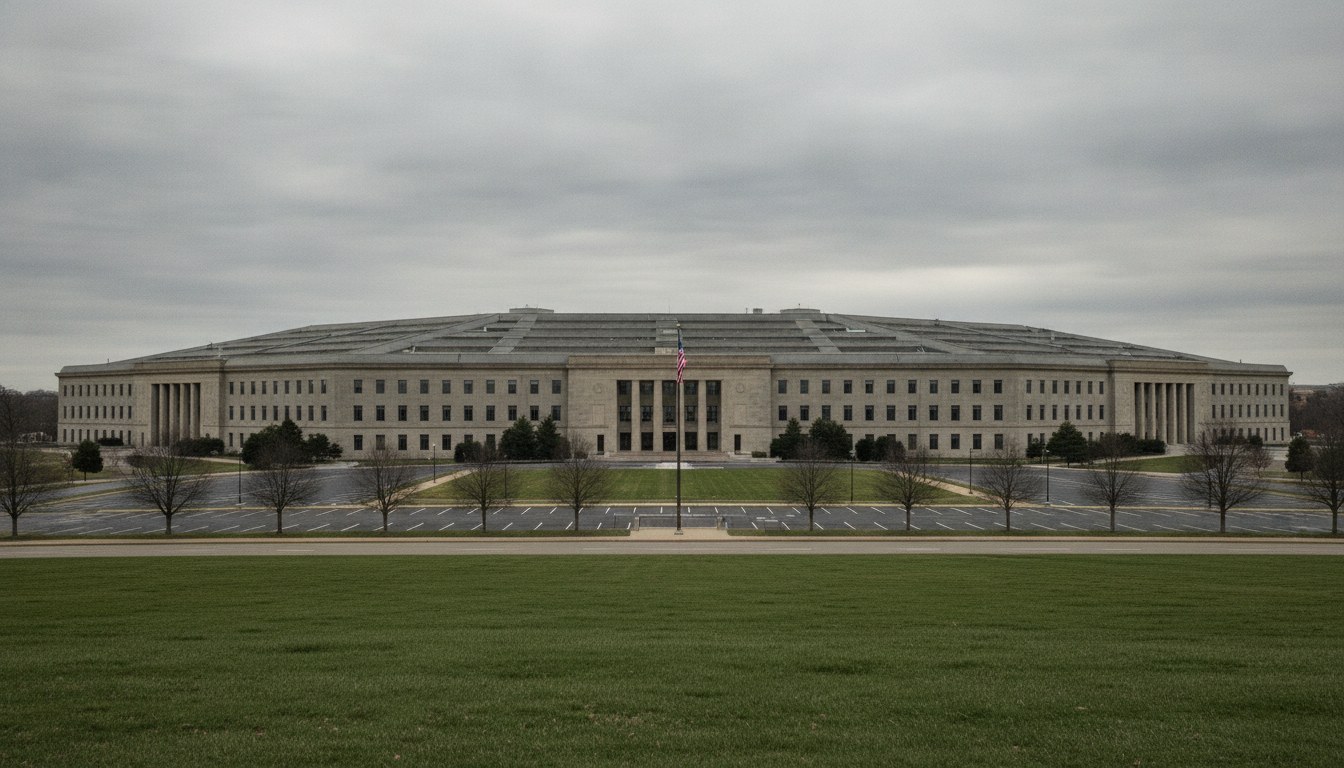
The US Department of Defense has halted its use of Anthropic's artificial intelligence tools following the company's placement on a Pentagon blacklist, the BBC reported. The development marks a significant rupture between one of the leading AI safety companies and a major potential government customer, raising questions about how Washington's relationship with frontier AI developers is evolving.
According to the BBC's reporting, the Pentagon stopped accessing Anthropic products after the company was added to a restricted list. The reasons behind the original blacklisting have been contested, and Anthropic has fought the Pentagon blacklisting in court, arguing the action crossed AI safety red lines set by the company's policies.
What the Blacklisting Means in Practice
A Pentagon blacklist typically restricts agencies from procuring or using products and services from a named company. In Anthropic's case, the designation appears to have had immediate operational consequences. Defense staff who had been using Claude-based tools lost access, according to the BBC's sources. The scale of prior usage within the DoD has not been made public, but the cutoff signals how quickly government access to commercial AI can be disrupted when procurement disputes arise.
Key Facts
- The Pentagon has stopped using Anthropic AI products following a blacklisting action.
- The BBC reported the development based on sources familiar with the matter.
- Anthropic has contested the blacklisting through legal channels.
- The dispute centers on what restrictions Anthropic places on how its AI can be used.
- No official public statement from the DoD on the scope of tools affected has been issued.
Anthropic, founded in 2021 by former OpenAI researchers, has built its public identity around AI safety. The company's usage policies place explicit limits on how its models can be deployed, including restrictions on certain military and weapons-related applications. It is those policies that appear to have created friction with Pentagon procurement officials, who may have sought use cases the company would not authorize.
The Pentagon's move to stop using Anthropic tools illustrates how AI safety commitments can have real commercial and geopolitical costs for companies that hold firm to them.BBC reporting on the Anthropic blacklisting

Legal Challenges and Court Rulings
The blacklisting has not gone unchallenged. Courts have weighed in on the matter, with at least one judge ruling against the Pentagon's position. A federal judge blocked the Pentagon blacklisting of Anthropic, ruling the action illegal. That ruling added legal pressure on the DoD to justify its decision, though the practical status of Anthropic's access to government contracts remains fluid as proceedings continue.
The case has attracted attention beyond the immediate parties. It touches on a broader question facing the AI industry: how much can companies with strong ethical guidelines participate in government and defense contracts without compromising their policies? Anthropic is not the only AI firm to face scrutiny over its relationships with government and corporate clients. Earlier this year, reports emerged that Alibaba banned its staff from using Anthropic's Claude Code tool, signaling that access restrictions on AI tools are becoming a recurring theme across geopolitical lines.
Wider Implications for AI and Government
The Pentagon's decision to stop using Anthropic tools, even as legal battles play out, reflects the complicated terrain AI companies must navigate when dealing with large government customers. Defense agencies often have requirements that commercial AI providers may not be willing or able to meet, particularly around permissible use cases. That tension is unlikely to resolve quickly.
For Anthropic, losing Pentagon access is a meaningful setback in a market where government contracts can be worth hundreds of millions of dollars. For the DoD, it means turning to other AI providers whose policies may be more permissive. Neither outcome is straightforward, and the dispute is likely to shape how other AI companies structure their own government engagement strategies going forward. Readers following this story can find ongoing coverage in the latest Claude AI news as court proceedings and Pentagon decisions continue to develop.


