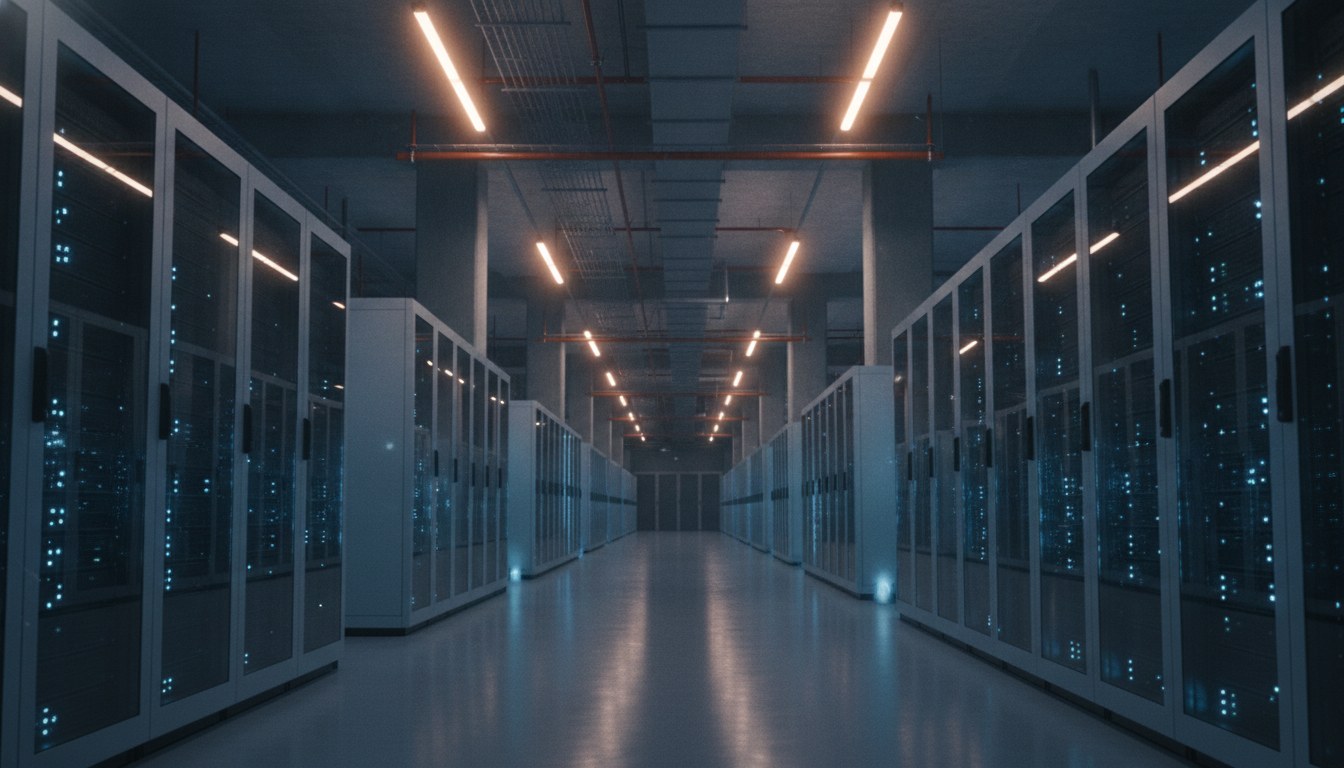
Meta and Anthropic are in discussions over a deal that could see Meta lease computing infrastructure to the Claude developer in an arrangement valued at up to $10 billion, according to a report from The New York Times. The talks represent one of the more unusual business arrangements to emerge from the AI industry's ongoing scramble for GPU capacity and data center space.
What the Deal Would Mean
The structure being negotiated would have Meta, which has invested heavily in its own AI infrastructure in recent years, effectively renting out excess compute capacity to Anthropic, a direct competitor in the large language model space. While the specifics remain subject to negotiation, a $10 billion figure would place this among the largest compute agreements in the sector to date.
Key Facts
- Meta and Anthropic are in active negotiations over a computing lease deal
- The potential deal is valued at up to $10 billion
- Meta would supply infrastructure; Anthropic would use it to run AI workloads
- The arrangement would be unusual given both companies compete in AI model development
- No agreement has been finalized as of the time of reporting
Anthropic has been aggressively expanding its computing footprint across multiple partnerships. The company recently moved to secure compute through a range of arrangements, including a $1.8 billion deal with Akamai to scale Claude's inference network. That pattern reflects how rapidly Anthropic's demand for compute has grown as it pushes its Claude model line into enterprise and consumer markets.
The deal, if completed, would be one of the largest computing agreements in Silicon Valley history.The New York Times

A Crowded Race for Compute
The potential Meta arrangement is not happening in isolation. Anthropic has been pursuing compute from multiple directions simultaneously. Reports earlier this year pointed to a potential $45 billion SpaceX computing deal for Claude AI, a figure that signals just how large the company's infrastructure ambitions have grown. Securing supply from Meta would add another significant source of capacity to that strategy.
For Meta, leasing out compute makes strategic and financial sense if the company has built infrastructure ahead of its own near-term needs. Large hyperscalers often end up with surplus capacity during build-out phases, and monetizing that capacity through lease arrangements with third parties has become a recognized approach in the industry. Whether Meta views this as a one-time arrangement or a longer-term infrastructure revenue stream is not yet clear from reporting.
The broader context is a market where AI companies are competing intensely for limited GPU supply and data center power. Anthropic's revenue has expanded quickly, with the company's run rate surpassing $30 billion as Broadcom sealed a major compute deal earlier this year. That kind of revenue growth demands a matching expansion in compute, or model development and deployment stall.
What makes the Meta talks particularly worth watching is the competitive dimension. Both companies are building and deploying frontier AI models. Meta develops its Llama series as open-weight models, while Anthropic's Claude family sits behind a commercial API. They compete for developer attention and enterprise contracts. A major infrastructure deal between them would show that pragmatic resource-sharing can outweigh competitive tensions when the numbers are large enough.
Neither Meta nor Anthropic has publicly confirmed the negotiations. The New York Times cited people familiar with the discussions. As with any deal of this scale, the final structure, pricing, and timeline could shift considerably before any agreement is signed, or talks could fall apart entirely. For now, the report adds another data point to a broader story about how AI companies are racing to lock in the compute they need for the next several years.