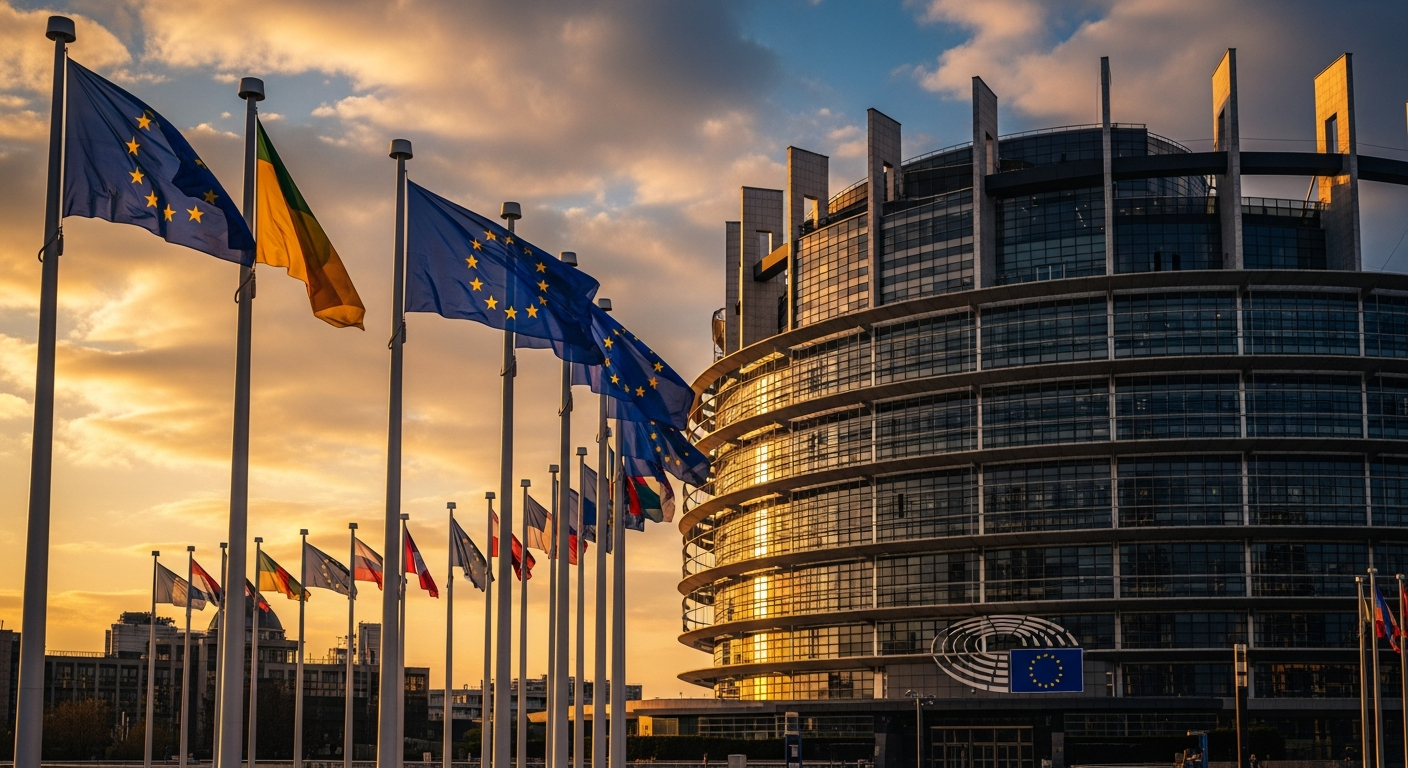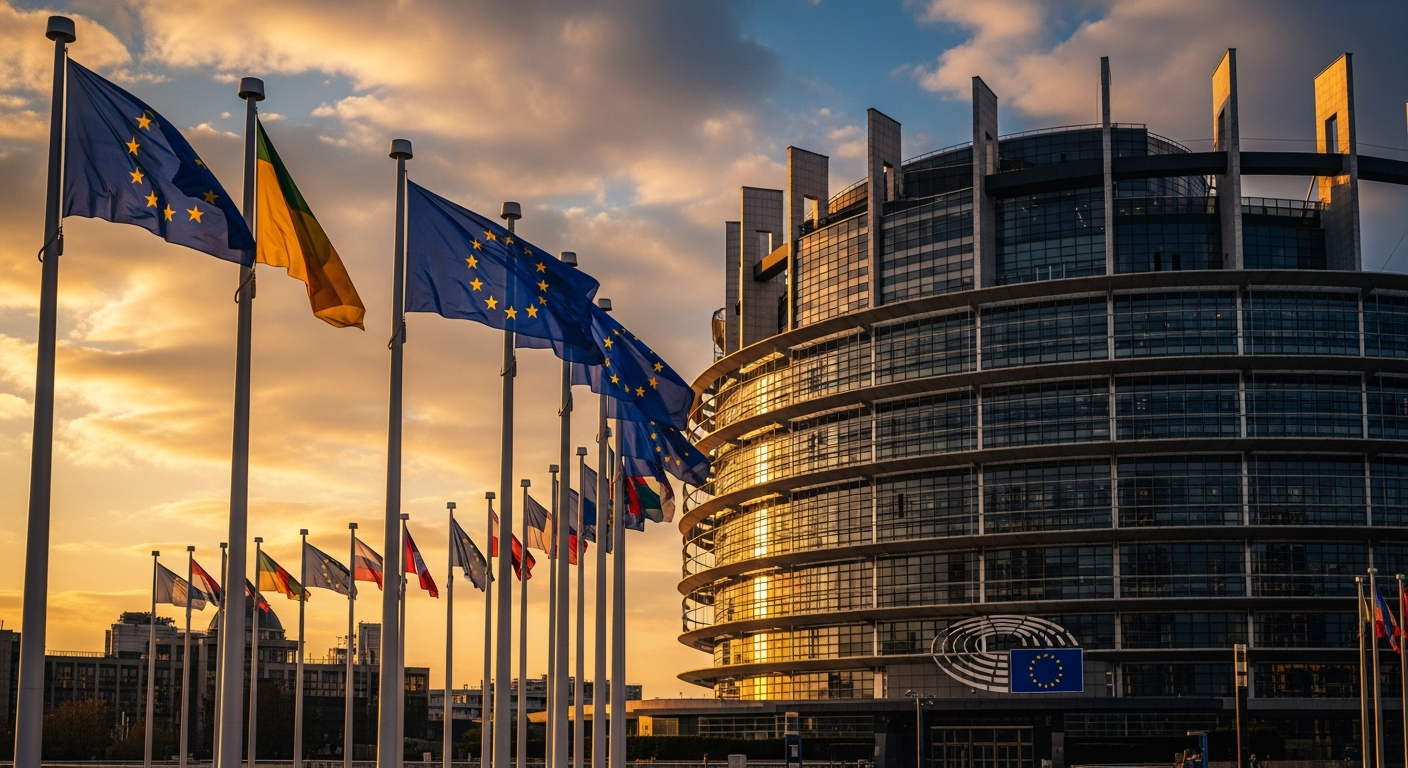
With Anthropic approaching a $965 billion valuation and a confidential IPO filing already with the SEC, its CEO chose last week to publish a 4,000-word policy essay. The document, titled "Policy on the AI Exponential," calls on the US government to gain legal authority to block or reverse frontier AI deployments that fail mandatory independent safety testing. It is the most detailed regulatory framework any frontier lab CEO has put forward, and it arrived accompanied by $350 million in new spending commitments. Within 48 hours, The New Republic had published a pointed response asking whether Dario Amodei is really writing policy for the public good, or for Anthropic.
A Regulator's Wish List
The essay rests on three major proposals. Amodei wants frontier model development to be subject to FAA-style audits conducted by independent third parties, with government agencies holding the legal authority to delay or halt a deployment if it fails. He then argues for a set of worker protections tied to AI-driven job displacement, including universal basic income, higher capital gains taxes, and a fund that would redirect money from companies benefiting from AI toward workers losing income to it. Finally, he calls for allied democracies to coordinate AI policy against adversarial nations, framing the conversation as a geopolitical competition as much as a domestic safety question.
Alongside the essay, Anthropic announced two financial commitments: a $200 million Economic Futures Research Fund to study AI's labor-market effects, and $150 million for Claude Corps, a national fellowship placing 1,000 early-career workers at US nonprofits at a salary of $85,000 per year. The combined $350 million is, as one critic noted, less than 0.04% of Anthropic's reported valuation.
Amodei Policy Essay: Key Numbers
- Anthropic valuation~$965 billion
- Total policy funding pledged$350 million
- Economic Futures Research Fund$200 million
- Claude Corps fellowship program$150 million (1,000 fellows)
- Claude Corps annual fellow salary$85,000 plus benefits
- G7 summit attendance confirmedJune 15–17, Évian-les-Bains

The Critical Response
Kate Aronoff, writing in The New Republic on June 12, argues that Amodei's framework deserves harder scrutiny than it has received. Her piece notes that the regulatory architecture Amodei proposes closely mirrors Anthropic's existing advantages: mandatory audits by well-resourced evaluators favor labs that have already built safety teams and infrastructure, while open-source developers and smaller competitors would face greater compliance burdens. The essay's framing of Anthropic as a company that has "accepted commercial cost in exchange for systemic safety" is, Aronoff suggests, more self-serving than it appears. "No one should mistake them for philosopher kings building a god," she writes, describing Amodei and OpenAI's Sam Altman as "wealthy men who want to keep getting wealthier by selling their products however and to whoever they want."
"No one should mistake them for philosopher kings building a god." Kate Aronoff, The New Republic, June 12, 2026
The Man Behind the Essay
A Bloomberg profile published the day before the essay added some texture. Amodei manages exactly one person directly, his chief of staff. Everyone else on Anthropic's executive team reports to his sister, co-founder and president Daniela Amodei. The arrangement gives Dario what Bloomberg describes as near-total freedom to focus on strategy, culture, and long-form thinking, while day-to-day operations run through Daniela. Fortune, in a separate piece, reported that the CEO spends roughly 40% of his time on company culture, an allocation unusual for the head of a business navigating an IPO. The portrait that emerges is of a CEO who is more comfortable writing sweeping essays about civilization than sitting in product reviews, and who has organized the company so he can keep doing that.
That combination of intellectual range and structural distance from operations is exactly what critics of the policy essay seize on. The proposals are well-constructed and technically literate. They also happen to be written by a person whose company would benefit from the regulatory environment they describe. That is not disqualifying, and Amodei is far from the only tech executive who holds both financial and policy interests simultaneously. But it means the essay is not a neutral document, even when it reads like one. Semafor's reporting on the worker rights dimension noted the tension directly: a company promising to fund displacement research while simultaneously deploying the technology causing the displacement is a circular argument, not a resolution.
The G7 and What Follows
The policy debate will get its next public airing at the G7 summit in Évian-les-Bains, France, where Amodei, Altman, and DeepMind CEO Demis Hassabis are all confirmed attendees from June 15 to 17. The G7 gathering will be the first summit with representation from all three major frontier labs, though US officials have signaled resistance to multilateral frameworks that could constrain domestic AI development. Any binding agreements on frontier model testing are unlikely; what the summit may produce is a set of soft commitments that Amodei and others can cite as evidence of industry self-governance. Whether that satisfies critics who see the policy framework as a competitive play wrapped in altruism will depend on what follows in practice rather than in print. Anthropic's full policy and economic framework is publicly available and runs to several companion documents alongside the main essay.