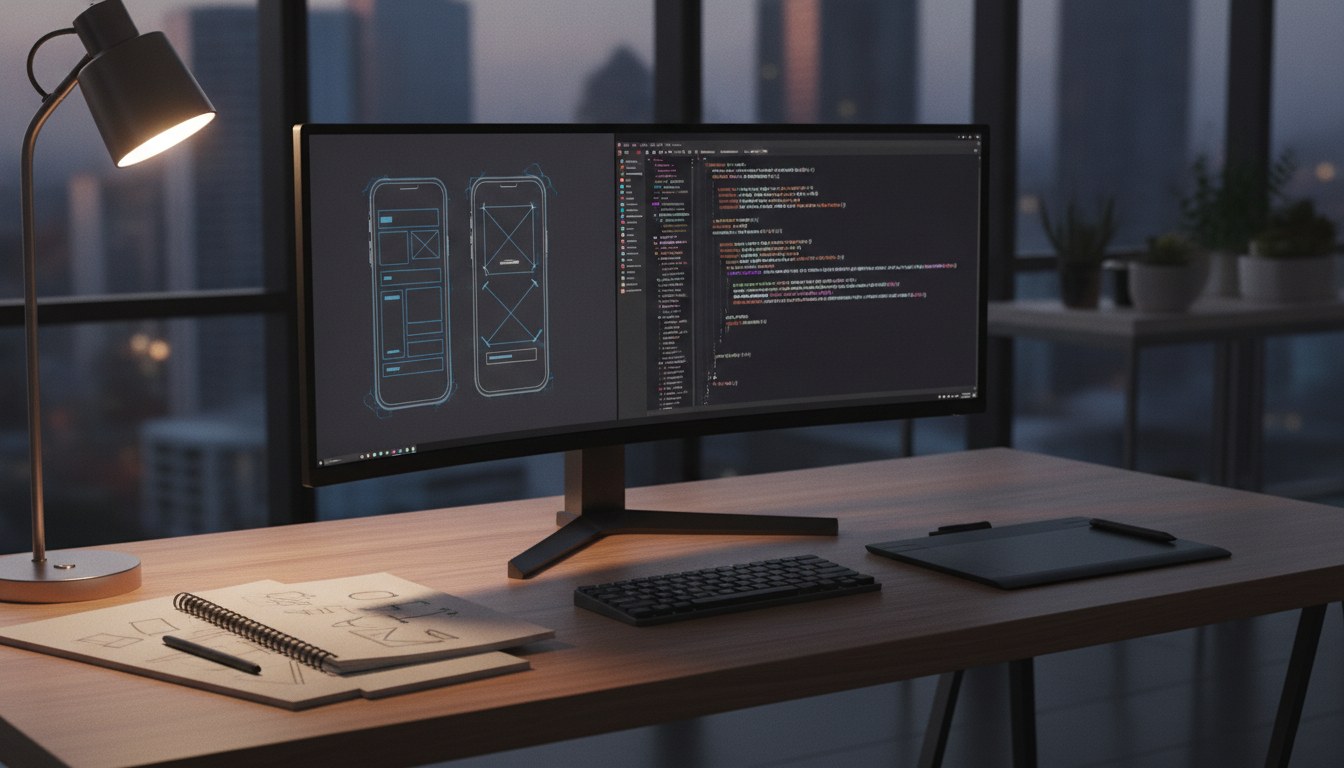
Anthropic has made significant changes to Claude Design, targeting one of the most persistent friction points in software development: the handoff between designers and engineers. The update was aimed at reducing the back-and-forth that typically plagues teams when a polished mockup meets the reality of implementation. Whether it actually solved the problem depends, it turns out, on who you ask.
What the Overhaul Actually Changed
The redesign focused on closing the loop between visual design output and the code that developers ultimately ship. Anthropic's overhaul introduced code round-trips, allowing designs and their underlying code representations to stay in sync as changes are made on either side. That bidirectional flow was the core technical bet Anthropic made to address a problem that has frustrated product teams for years.
Key Facts
- Anthropic overhauled Claude Design specifically to address the designer-to-engineer handoff gap.
- The update introduced code round-trip functionality to keep designs and code synchronized.
- Brand controls and code sync features were also added alongside the structural changes.
- Reactions from practitioners are split along disciplinary lines, with designers and engineers reporting different experiences.
The broader context matters here. Anthropic also added brand controls and code sync features to Claude Design around the same time, suggesting a concerted push to make the tool more production-ready for teams rather than just individual users exploring ideas. These features reflect an ambition to move Claude Design from a prototyping aid into something closer to a full workflow platform.
The tool is better at generating code that a developer can actually use. But it still makes assumptions about component structure that I wouldn't make myself.Engineer interviewed by The New Stack

Two Disciplines, Two Verdicts
The designer interviewed for the original New Stack piece came away broadly positive. From a design perspective, the new system reduces the moment where a carefully considered layout gets interpreted, sometimes badly, by a developer working from a static export. The ability to annotate intent and have that translate more directly into implementable code addresses a real complaint. Less time spent writing specification documents is, in most design workflows, a genuine gain.
The engineer's view was more measured. The generated code is cleaner and more usable than before, but it still carries assumptions baked in by the AI that a developer would not always make. Component structure choices, state management patterns, and naming conventions can all drift from what an existing codebase expects. That means the handoff is better, but it is not yet invisible. There is still a translation layer, even if it is thinner than it used to be.
This tension is not unique to Claude Design. It reflects a broader challenge for Anthropic and the AI design tool category as a whole: the gap between design intent and engineering implementation is partly a tooling problem, but it is also a communication problem rooted in how the two disciplines think about structure and abstraction. No single product update eliminates that entirely.
Where This Leaves Teams
For teams already using Claude Design, the update represents a meaningful improvement in day-to-day friction. The round-trip code functionality in particular gives engineers something more workable to start from. The question of whether it fully solves the handoff, though, will likely depend on the complexity of the project and how closely the team's existing patterns match what the tool produces.
Anthropic will presumably continue iterating. The disagreement between the designer and engineer in this case may actually be the most useful signal available: it tells the team precisely where the remaining gaps are. A tool that satisfies both disciplines equally is still ahead, but the distance to that goal looks shorter than it did a year ago.


