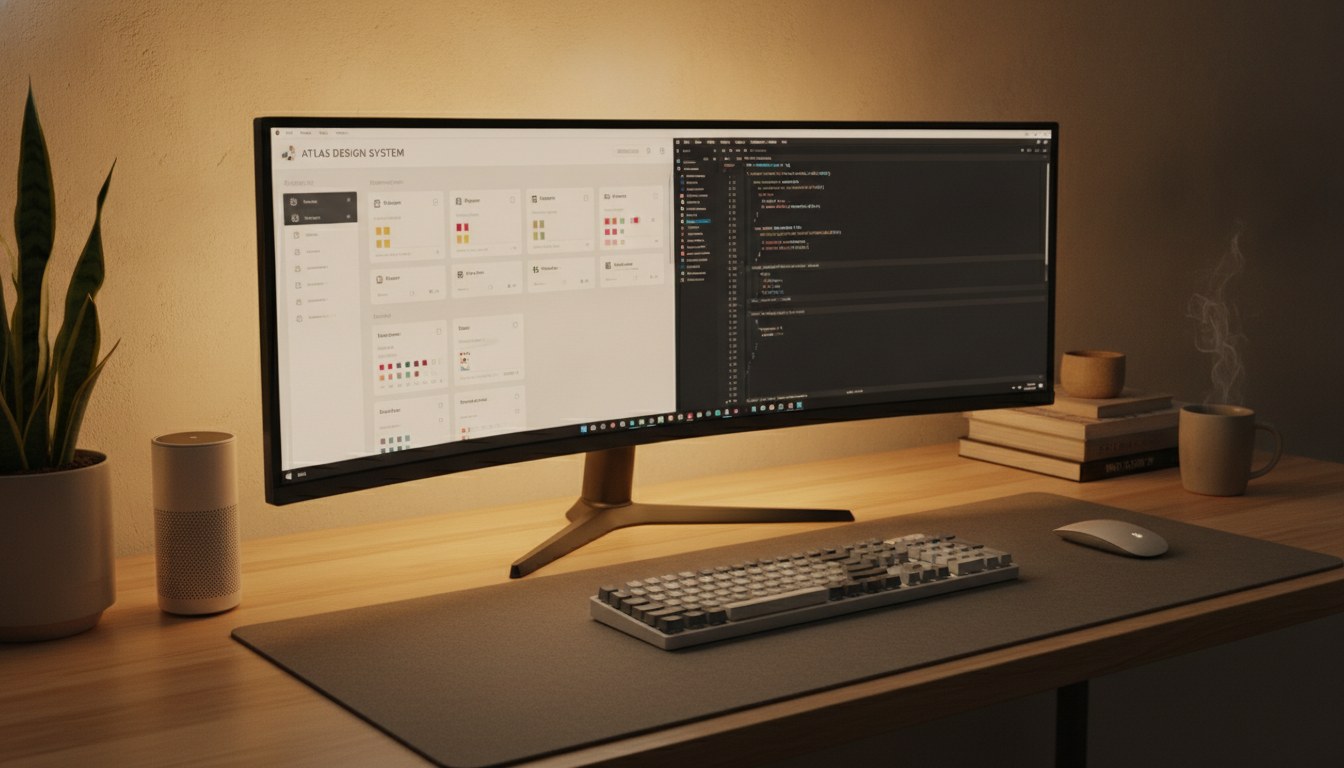
Anthropic has shipped a substantial update to Claude Design, its AI-powered interface-building tool, adding features that developers and designers have been asking for since the product launched. The update brings design system imports, code round-trips, and a targeted fix for a token inefficiency problem that had made certain workflows prohibitively expensive to run at scale.
The release arrives as Anthropic continues to push Claude deeper into the software development lifecycle. Anthropic's Design Tool has been getting tighter Claude Code integration over recent months, and this update extends that trajectory by allowing users to move between visual design and code more fluidly than before.
What the Update Actually Delivers
The headline addition is code round-trips, which lets users export a design to code, make edits in their codebase, and then bring those changes back into Claude Design without losing fidelity. Previously, any code-level change effectively broke the connection between the visual tool and the underlying implementation. That friction forced teams to choose between working in Claude Design and working in their normal code environment, rarely both.
Key Facts
- Design system imports let teams bring existing component libraries directly into Claude Design
- Code round-trips allow edits in external codebases to sync back into the visual tool
- A token optimization fix reduces unnecessary context consumption during complex UI generation tasks
- The update targets professional design and engineering workflows rather than casual prototyping
Design system imports are the other major capability. Teams that have spent years building out component libraries in Figma, Storybook, or custom systems can now pull those assets directly into Claude Design rather than recreating them from scratch. The practical effect is that Claude can generate new UI consistent with an organization's existing visual language, rather than producing generic output that needs heavy restyling before it matches anything in production.
The token problem was a real blocker for teams working on anything beyond simple screens. Fixing that opens up workflows that were technically possible but practically too costly to run regularly.VentureBeat

The Token Problem, Explained
The token inefficiency fix may be the most operationally significant change in this release. When Claude Design handled complex multi-component UI generation tasks, it was consuming far more tokens than the output warranted, because the system was re-processing large amounts of context that had not changed between steps. This made iterative design work expensive and slow, and it pushed some heavier workflows out of reach for teams watching API costs closely.
The fix introduces smarter context management that avoids redundant processing. Anthropic has not disclosed the exact mechanics, but the practical result is that users should see lower token counts on iterative tasks without changes to output quality. This mirrors broader efficiency work happening across Claude's model family, where Anthropic has been refining how models handle long or repetitive contexts.
For teams already using Claude Code's auto mode and skill controls, this update to Claude Design represents a complementary improvement on the design side of the stack. The two tools are increasingly intended to work in tandem, covering the full journey from visual concept to deployed code.
Anthropic has not announced pricing changes alongside the update. The improvements apply to existing Claude Design users and are available now. The company appears to be betting that reducing friction in the design-to-code pipeline will expand adoption among professional engineering teams, a segment that has historically been cautious about incorporating AI tools into production workflows. Whether the round-trip capability holds up in real-world codebases with complex dependency structures will be the test that matters most over the coming weeks.
“Code round-trips in Claude Design are a genuine workflow shift: teams can now iterate between design and implementation without losing fidelity, and fixing the token consumption issue means enterprise projects that previously hit walls on complex interfaces can finally scale this properly.”
Leon Tindemans, AI expert and entrepreneur specialising in Claude, Copilot and ChatGPT. Learn more with Copilot training by TTM Communicatie.


