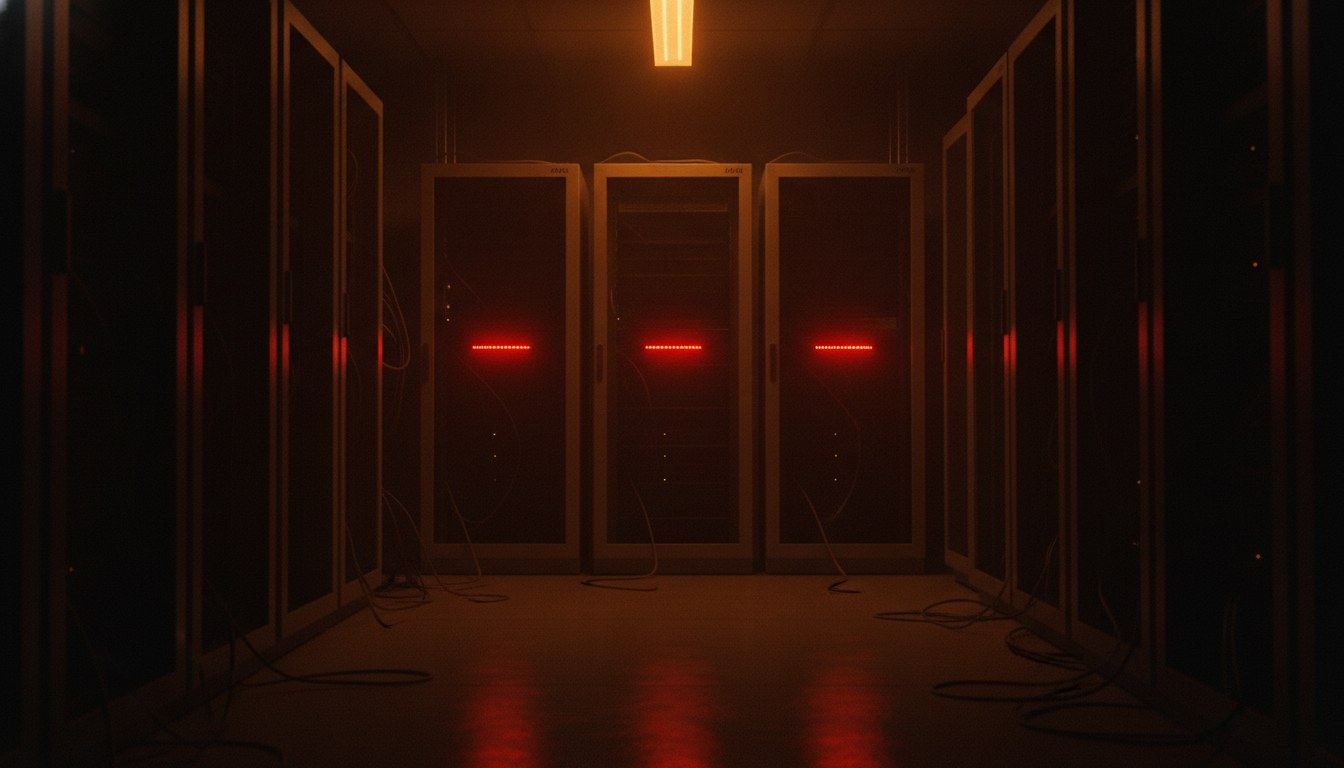
It was the kind of event that gets nicknamed before anyone fully understands what caused it. Claude, ChatGPT, and Grok, the three AI assistants that have quietly embedded themselves into the daily workflows of millions of people, all went offline simultaneously. For a stretch of time that felt longer than it probably was, users across the globe found themselves staring at error pages or spinning loading indicators with no working alternative to turn to.
What Happened
Reports of failures from all three platforms emerged within a short window, with users flooding social media to confirm they were not alone. Anthropic's Claude, OpenAI's ChatGPT, and xAI's Grok each showed signs of degraded service or complete unavailability. The timing was close enough to be striking, though no coordinated cause has been confirmed. The incident drew immediate comparisons to a prior double outage affecting Claude and ChatGPT, which also produced no clear public explanation from the companies involved.
Key Facts
- Claude, ChatGPT, and Grok all experienced outages in a narrow time window.
- No single shared infrastructure failure has been publicly confirmed as the cause.
- Users reported errors across web, mobile, and API access points.
- The event is one of the first known instances of all three major AI platforms going down at once.
- Neither Anthropic, OpenAI, nor xAI issued detailed post-mortems at the time of publication.
The scale of disruption was notable precisely because there was nowhere obvious to redirect. When one platform goes down, users typically migrate to a competitor for the duration. With all three offline, businesses relying on AI-assisted writing, coding, customer support, and research found themselves without a ready substitute. It is a scenario that underlines how concentrated the AI assistant market remains, despite the number of models now available. Claude's model family, for instance, spans several tiers serving different use cases, yet all of them were unreachable during the incident.
"We're looking into reports of elevated errors and will share more as we have it."Anthropic status page, during the outage window

Why It Matters
A single platform going offline is a routine inconvenience. Three going down together is a stress test of a different kind. It raises questions about the resilience of the broader AI infrastructure ecosystem and whether businesses treating these services as mission-critical have adequate contingency plans. The full scope of the simultaneous outage is still being assessed, but the episode has already renewed debate about vendor lock-in and the risks of depending on a small group of providers.
For Anthropic, this comes at a moment when the company has been expanding Claude's commercial footprint aggressively, including a push into scientific and pharmaceutical research markets. Reliability is central to enterprise adoption, and even a brief outage at a high-profile moment can slow sales conversations. The company has not yet published a detailed incident report, which will likely draw criticism from enterprise customers who require transparency around service disruptions.
The incident also arrives as the AI industry debates how to build trust with users and regulators. Downtime alone does not derail that conversation, but a coordinated-looking failure across competitors does prompt uncomfortable questions. Were these outages truly independent? Did they share a common dependency, such as a cloud infrastructure provider or a shared API layer? None of the three companies has so far provided enough detail to answer that definitively.
What is clear is that the market for AI assistants, for all its growth, remains fragile in ways that are not always visible until something breaks. Users and businesses would be wise to treat this outage as a prompt to think carefully about redundancy. The era of treating AI assistants as reliably available utilities, like electricity or broadband, has not fully arrived yet.


