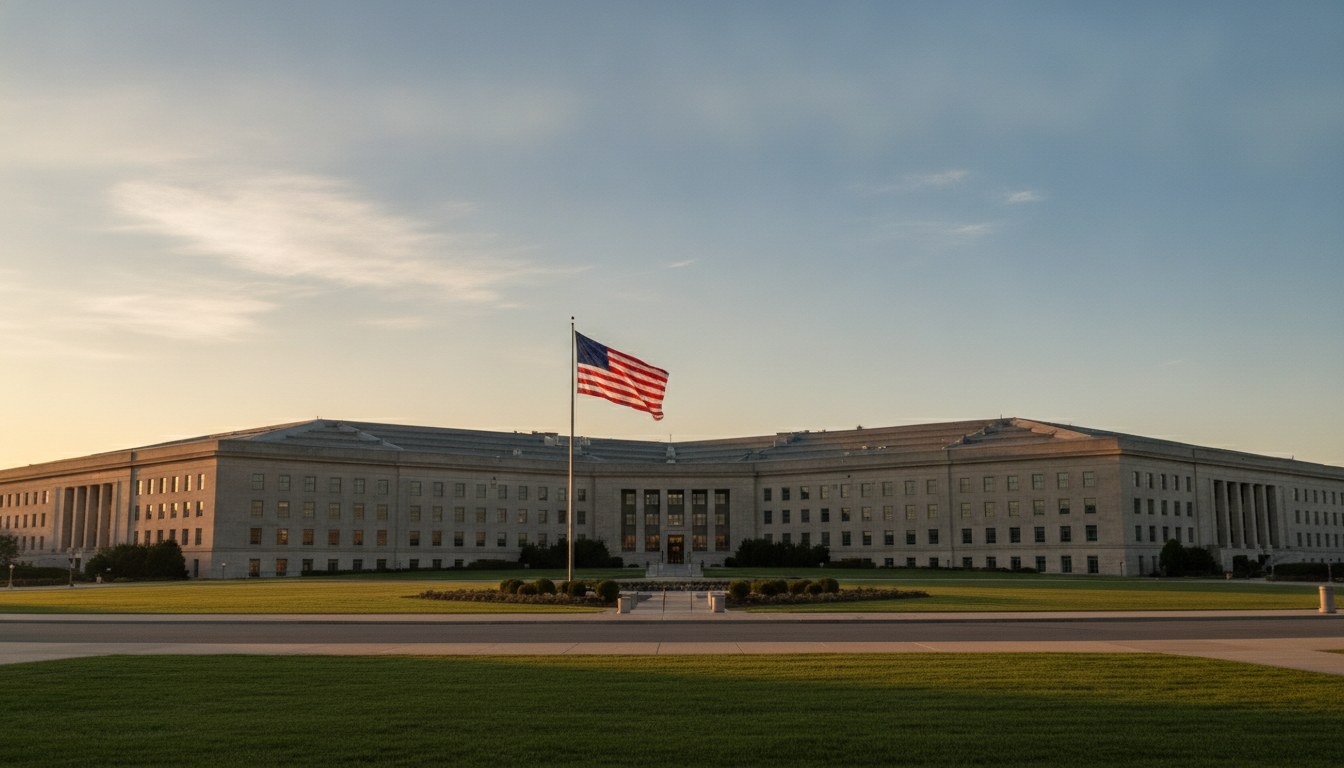
Anthropic has won a federal court case challenging its blacklisting from Pentagon supply chains, according to a report from The Washington Post. The ruling is a notable legal victory for the San Francisco-based AI company, which had contested the Department of Defense's decision to exclude it from defense contracts on grounds it argued were legally and factually flawed.
Background on the Dispute
The case stems from a broader conflict between Anthropic and the Pentagon over what the company described as unacceptable red lines around AI safety. Anthropic fought the blacklisting in court, arguing that the DoD's decision was improper and that the company should not be penalized for maintaining ethical limits on how its technology can be used in military contexts. The company's leadership had been vocal about their unwillingness to compromise on safety principles even when facing exclusion from lucrative government contracts.
Key Facts
- Anthropic challenged its exclusion from Pentagon supply chains in federal court.
- The Washington Post reported the company has won the case.
- The dispute centered on AI safety red lines Anthropic refused to abandon.
- The ruling could affect how defense agencies engage with AI firms going forward.
- Anthropic had argued the blacklisting was legally improper.
The conflict drew widespread attention after Anthropic's founders spoke publicly about their decision to push back. Dario and Daniela Amodei explained their reasoning for standing up to the Pentagon, framing it as a matter of principle rather than posture. That public stance carried real financial risk, given the scale of defense technology spending and the growing role AI companies are expected to play in it.
The company argued that it should not be penalized for refusing to remove safety guardrails from its AI systems, even under pressure from one of the largest institutional customers in the world.The Washington Post

What the Ruling Could Mean
A court finding in Anthropic's favor sets a precedent with implications well beyond this single contract dispute. It signals that AI companies may have legal standing to contest government blacklisting decisions that they believe are arbitrary or politically motivated. It also raises questions about how defense agencies will structure their AI procurement policies going forward, particularly as more companies develop their own safety standards and usage policies.
Anthropic has positioned itself as a safety-first AI developer since its founding, and the court outcome could reinforce that identity at a time when the company is expanding aggressively. The company recently hit a valuation approaching $1 trillion and has been building out an extensive network of enterprise partners. A loss in this case would have cast doubt on whether that safety-first stance was commercially sustainable. A win suggests the opposite.
The ruling also arrives as Anthropic is deepening its footprint across government and enterprise sectors. Anthropic has been building a growing network of AI integrators to expand its reach, and a favorable legal outcome removes one significant cloud over those ambitions. Defense and government agencies represent a large and strategically important market, and this decision may open doors that the blacklisting had shut.
Whether the Pentagon appeals or moves to find other grounds for exclusion remains unclear. What is clear is that Anthropic has demonstrated a willingness to take its disputes into the courts rather than quietly accommodate demands it views as contrary to its core mission. That approach appears, at least in this instance, to have paid off.


