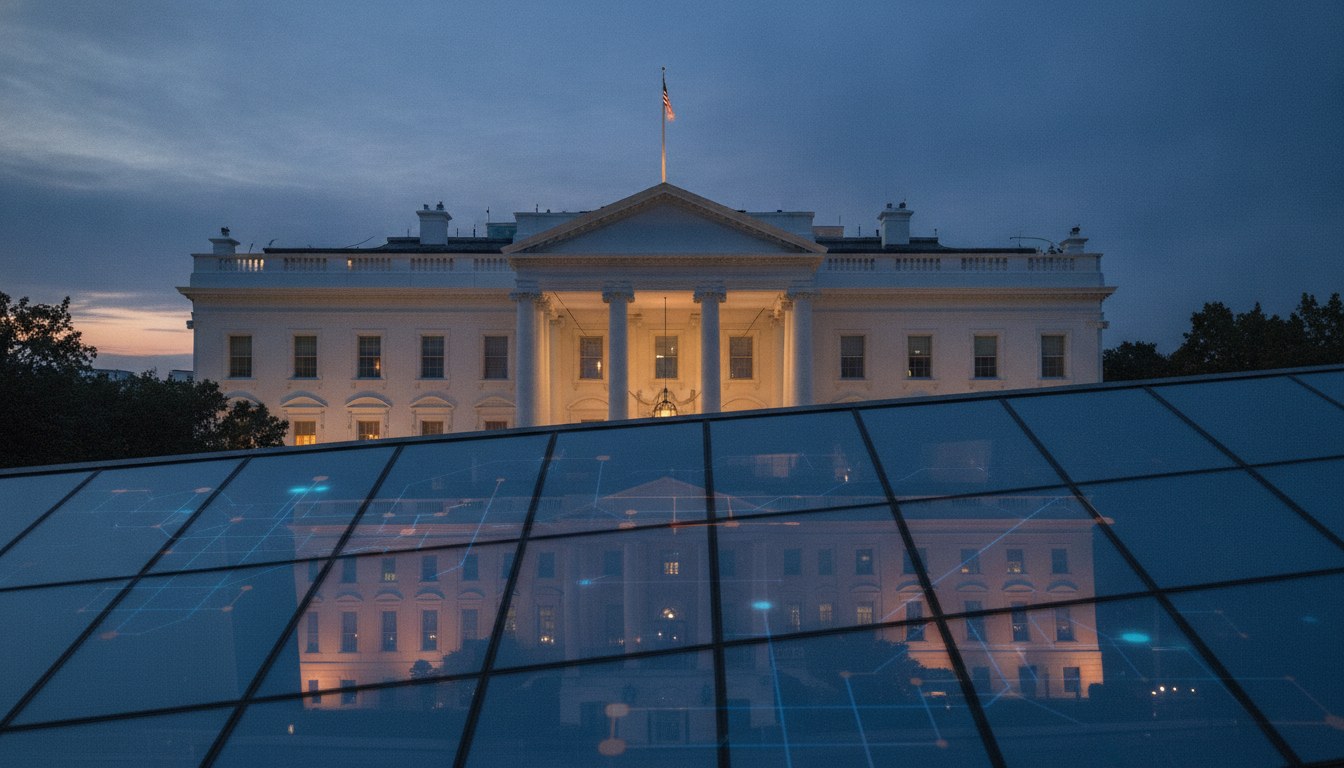
The standoff between Anthropic and the White House over Claude Fable 5 continues, with no resolution in sight. Multiple reports from WIRED, The Verge, and The Conversation confirm that the US government has effectively blocked or severely constrained the rollout of the company's latest frontier model, putting Anthropic in a difficult position as it tries to compete in a rapidly moving market.
What the Dispute Is About
The conflict stems from national security concerns raised by federal officials around the capabilities of Claude Fable 5 and its more powerful sibling, Claude Mythos 5. According to reporting from The Verge, internal disagreements over how to classify and restrict access to these models have created a prolonged impasse. The government's intervention came at a particularly sensitive moment: Anthropic had filed for an IPO just weeks before the restrictions were imposed, creating significant uncertainty for investors and the company's broader commercial plans.
Key Facts
- The US government moved to restrict Claude Fable 5 shortly after its launch, citing national security considerations.
- Claude Mythos 5, the higher-capability model in the same release family, is also caught up in the dispute.
- Anthropic and White House officials have held multiple rounds of talks without reaching a final agreement.
- The restrictions have drawn scrutiny over how the US regulates frontier AI models developed by domestic companies.
- The conflict has implications for Anthropic's IPO trajectory and export policy going forward.
The timeline has been unusually compressed. Anthropic launched Claude Fable 5 and Claude Mythos 5 with considerable fanfare, positioning them as a generational step forward in capability and safety. Within weeks, federal officials had intervened, triggering what sources describe as a fractious negotiation process that has dragged on longer than either side anticipated.
The fight over these models reflects a broader tension between the US government's desire to keep frontier AI capabilities out of adversaries' hands and the commercial interests of American AI companies trying to ship products globally.The Verge

Policy Fallout and What Comes Next
The dispute has forced a wider conversation about how Washington handles AI export controls and what authority federal agencies actually have over privately developed models. The White House has been recalibrating its approach to AI oversight in recent months, and the Claude Fable 5 situation has become a test case for where those limits sit. Critics argue the restrictions set a chilling precedent for the entire US AI industry, while supporters say the government has a legitimate interest in controlling the spread of highly capable systems.
For Anthropic, the stakes are high on multiple fronts. The company's valuation and IPO prospects are tied directly to its ability to commercialize its most capable models. A prolonged restriction damages revenue potential and sends a complicated signal to enterprise customers weighing long-term contracts. How this dispute resolves will likely shape how other frontier AI developers structure their government relationships and compliance frameworks going forward. For those following the latest Claude AI news, the outcome of these negotiations may prove to be one of the defining regulatory moments of the current AI cycle.