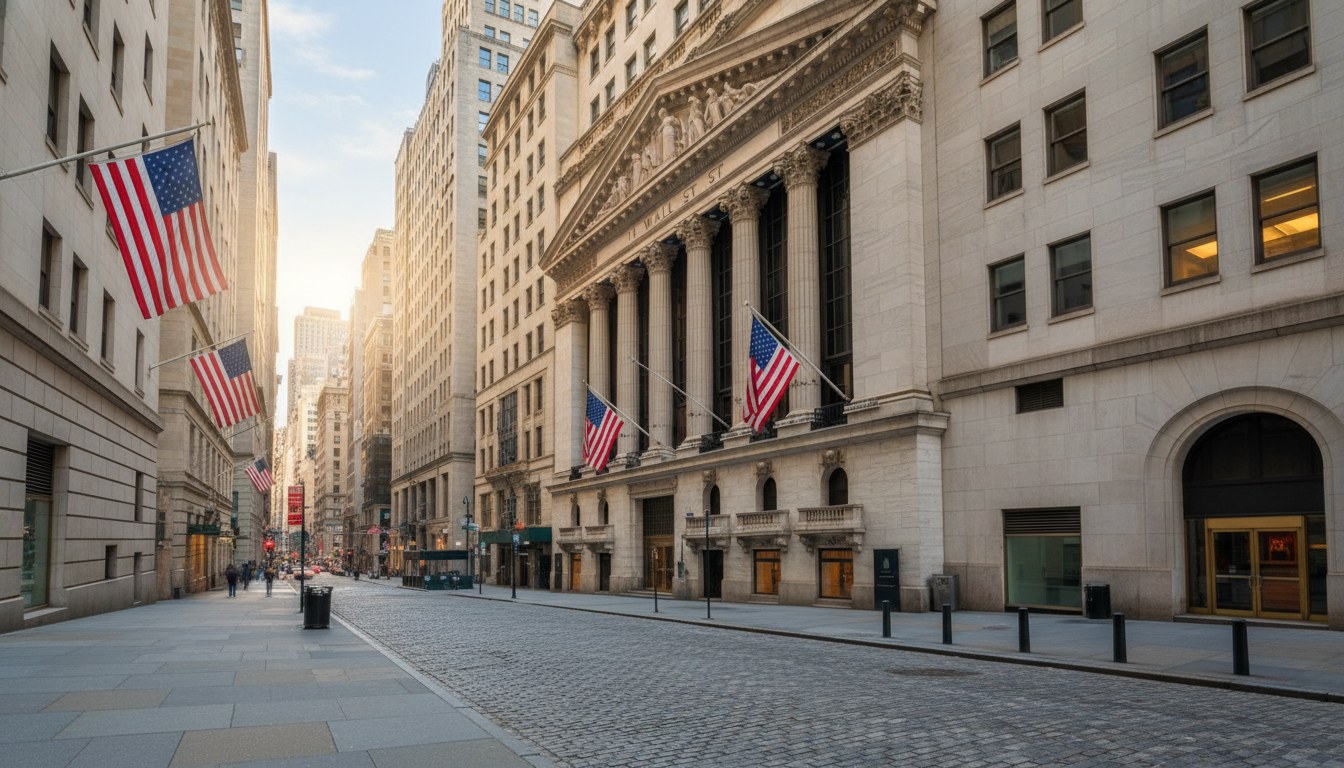
Anthropic filed a confidential S-1 with the Securities and Exchange Commission on June 1, 2026. The company disclosed a revenue run rate of $47 billion, a valuation of $965 billion, and plans to go public as early as this fall. Eleven days later, the US government ordered Anthropic to shut down its two most capable models overnight, with no advance warning and no appeal period. The sequence is not, on its own, a fatal problem for the IPO. But it is exactly the kind of fact that belongs in a risk factor section.
Eleven Days
The timeline is tight enough to be uncomfortable. Anthropic's IPO filing came at a moment of genuine business momentum. Revenue had grown from roughly $9 billion annualized at year-end 2025 to $47 billion by May 2026, a fivefold increase in five months. The company launched Fable 5 on June 9, its first publicly available Mythos-class model, priced at $10 per million input tokens and $50 per million output. Through June 22, the model was included at no extra cost on Pro, Max, Team, and Enterprise plans. Anthropic described it as state-of-the-art across nearly all tested benchmarks.
Then, on June 12, Commerce Secretary Howard Lutnick sent a letter to CEO Dario Amodei ordering the immediate suspension of Fable 5 and Mythos 5. The letter cited national security. It did not provide specific details of the government's concern. Anthropic complied the same evening, disabling both models for all users globally. Because the company cannot verify user nationality at scale in real time, the practical effect of complying with a foreign-national restriction is a worldwide shutoff.
Key Numbers
- S-1 confidential filing dateJune 1, 2026
- Fable 5 public launchJune 9, 2026
- Export order receivedJune 12, 2026 at 5:21 p.m. ET
- Revenue run rate (May 2026)$47 billion
- Last-round valuation$965 billion
- Major enterprise deals signed day before banDXC Technology, TCS

Enterprise Partners Left Holding New Contracts
The timing problem extends beyond Anthropic's own balance sheet. On June 11, the day before the export order arrived, DXC Technology announced a multi-year global alliance with Anthropic, positioning itself as a flagship Global Premier partner in the Claude Partner Network. The deal committed DXC to training tens of thousands of certified engineers on Fable 5 and deploying it inside banks, airlines, and government agencies. The same day, Tata Consultancy Services announced a comparable arrangement, committing to equip 50,000 employees with Claude and build joint go-to-market offerings for highly regulated sectors.
Neither DXC nor TCS has commented publicly on how the export order affects their new contracts. The models at the center of both deals are now offline. Anthropic has said it is working to restore access, but has given no timeline. Enterprise customers who signed on the basis of Fable 5's specific capabilities are now waiting.
"Anthropic apologizes for this disruption to our customers. We believe this is a misunderstanding and are working to restore access as soon as possible." Anthropic statement, June 13, 2026
From Chips to Models: A New Regulatory Category
The Fable 5 suspension matters beyond the specific dispute between Anthropic and the Commerce Department. For years, US export controls in the technology sector targeted hardware. Nvidia H100 chips, high-bandwidth memory, ASML lithography equipment: the logic was that AI capability flowed from compute, and compute was the chokepoint. The June 12 order extends that logic to AI model weights and APIs delivered over the internet, treating a software product as something comparable to a controlled semiconductor.
That shift creates a new category of regulatory risk for any AI lab operating at the frontier, and by extension for their investors and enterprise customers. The mechanism used in this case is the Export Administration Regulations, which have historically applied to goods with dual-use potential. Applying EAR to AI model APIs is precedent-setting. Its durability as a legal matter remains uncertain. Anthropic has indicated it believes the order rests on a mischaracterization of a narrow jailbreak, not a categorical finding that the model poses unacceptable risk.
What is certain is that the S-1 Anthropic files publicly will need to address it. Any investor reading about $47 billion in annualized revenue will also want to know whether the government can take Anthropic's best products offline again, on thirty minutes' notice, if it disagrees with how a security flaw affects Anthropic's safety claims. The IPO filing came three weeks ago. The export order came this week. The $965 billion question is whether the two events are a temporary collision or a preview of the regulatory environment a public Anthropic will have to navigate.