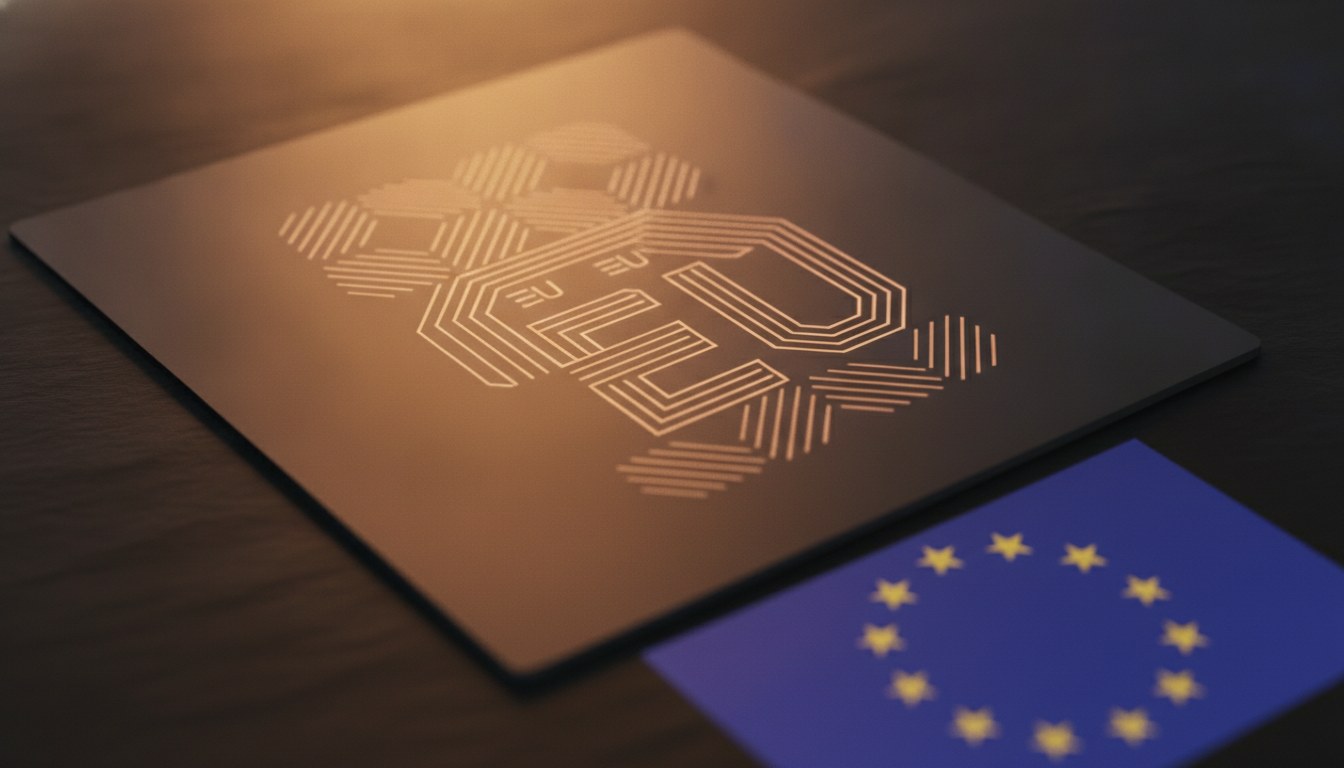
Anthropic is preparing to watermark content generated by its Claude AI models, a direct response to requirements taking shape under the European Union's AI Act. The disclosure came as part of a broader news cycle around AI regulation and financial markets, with CoinDesk reporting the development alongside updates on cryptocurrency price movements. For an AI company that has positioned itself on safety and transparency, the watermarking plan fits naturally into its public stance, though the practical details are still coming into focus.
What Watermarking Means for Claude
Watermarking AI-generated content refers to embedding signals, either visible or invisible, that identify text, images, or other outputs as machine-made. The EU AI Act includes provisions requiring providers of general-purpose AI systems to ensure their outputs are detectable as AI-generated where technically feasible. Anthropic joining this effort places it alongside other major AI developers who have been moving toward similar measures, whether voluntarily or under regulatory pressure. The company has not yet published a detailed technical breakdown of how the watermarking will work or when deployment will begin across Claude's model family.
Key Facts
- Anthropic plans to watermark AI-generated content from Claude following EU AI Act requirements.
- The EU AI Act mandates that providers of general-purpose AI models make outputs detectable as AI-generated where feasible.
- Technical implementation details and a rollout timeline have not yet been publicly confirmed by Anthropic.
- The announcement surfaced in live market coverage by CoinDesk, suggesting it was part of a broader regulatory update.
The timing matters. The EU AI Act is moving through phased implementation, with certain obligations kicking in during 2024 and others extending into 2025 and 2026. Companies operating in European markets are under pressure to demonstrate compliance well ahead of hard deadlines. Anthropic has previously engaged with regulators on both sides of the Atlantic, and its executives have attended high-level policy forums. Earlier this year, Anthropic's CEO joined other AI leaders at the G7 summit in France as AI governance moved to the center of international policy conversations.
Watermarking is one of several technical measures regulators expect AI providers to adopt as part of a broader transparency framework under the EU AI Act.EU AI Act implementation guidance

Regulatory Momentum and Industry Context
Anthropic's watermarking plans do not exist in isolation. The broader AI industry is navigating an increasingly active regulatory environment, and transparency tools like watermarking have become a focal point. Critics of these tools point out that watermarks, especially invisible ones, can be stripped or degraded, and that their reliability varies across content types. Proponents argue that even imperfect signals contribute to a healthier information ecosystem by raising the friction around AI-generated misinformation.
Anthropic has faced its own transparency challenges in recent months. The company dealt with a significant episode in which Claude users' private conversations appeared in Google Search results, raising questions about data handling and public communication. How Anthropic manages the rollout of watermarking, and how clearly it communicates the system's limitations to users and regulators alike, will be closely watched given that backdrop.
For now, the signal from Anthropic is clear: compliance with EU standards is a priority, and watermarking is part of that strategy. As regulation tightens across major markets, the decisions companies make about content identification will shape user trust and competitive positioning for years ahead. Readers following the latest Claude AI news can expect more technical details to emerge as Anthropic moves closer to deployment.


