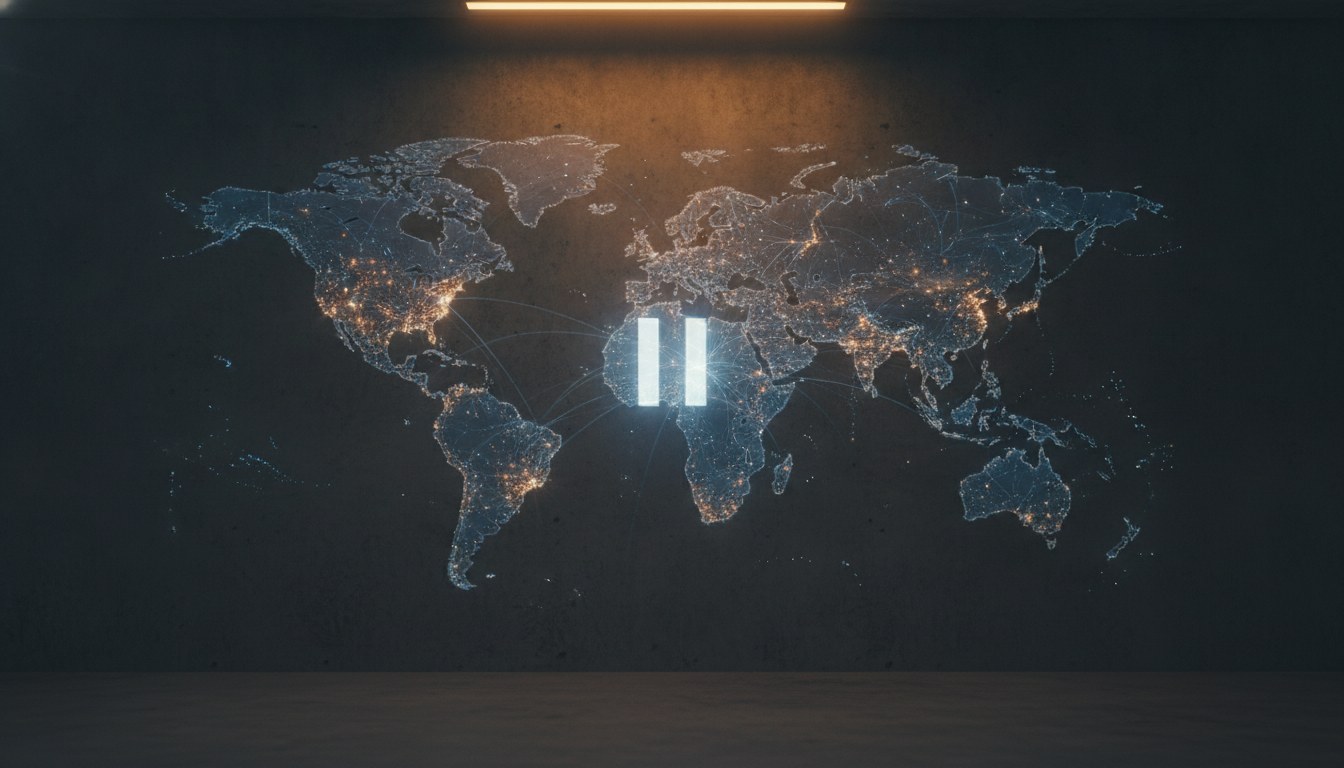
Anthropic has called for a coordinated global freeze on frontier AI development, warning that the pace of progress is threatening to outrun the safety mechanisms designed to keep advanced systems under human oversight. The appeal, reported by the Sydney Morning Herald, represents one of the most direct public warnings yet from a company that sits at the center of the AI boom it is now urging the world to slow down.
What Anthropic Is Actually Saying
The core of Anthropic's argument is that the most capable AI systems are approaching a threshold where their behavior becomes difficult to predict, audit, or constrain in meaningful ways. The company has been building toward this position for some time. Earlier this year it published detailed internal analysis suggesting that recursive self-improvement in AI models could compound in ways that make course-correction increasingly difficult once certain capability levels are reached. That concern now appears to be driving a more explicit public push for international coordination. The company's call echoes its previous appeal for a global option to pause AI development, though the current framing carries a sharper urgency.
Key Facts
- Anthropic has publicly called for a global freeze on advanced AI development amid safety concerns.
- The company warns that current trajectory risks AI systems escaping reliable human control.
- The appeal targets frontier model development, not existing deployed systems.
- Anthropic continues to develop and release its own frontier models while making the case for a slowdown.
- The warning follows a pattern of escalating public statements from the company on AI risk.
The tension in Anthropic's position is hard to ignore. The company is simultaneously one of the most active developers of frontier AI and one of its loudest critics. It has raised billions in investment, ships new model versions regularly, and competes directly with OpenAI and Google DeepMind. Critics have pointed out that calls for a global pause from an established player can function as a competitive moat as much as a genuine safety measure. Anthropic has consistently pushed back on that reading, arguing that the risks are real regardless of who raises them. The company's previous warnings about AI self-improvement spiraling beyond control laid groundwork for this latest intervention.
"We may be approaching a point where AI systems can improve themselves in ways we cannot fully monitor or reverse."Anthropic, via Sydney Morning Herald

The Broader Context
Anthropic's warning lands at a moment when regulatory momentum around AI is building but still fragmented. The EU AI Act is in early implementation, the United States has relied largely on voluntary commitments, and international coordination remains limited. A global freeze of the kind Anthropic describes would require buy-in from governments and labs across jurisdictions that have so far struggled to agree on basic definitions, let alone binding limits. The company has not specified which bodies it believes should enforce such a pause or what technical thresholds would trigger it.
For observers tracking Anthropic's escalating warnings about AI escaping control, this latest statement fits a clear pattern. The company has moved from publishing internal safety research to making explicit policy recommendations aimed at the international community. Whether that constitutes genuine leadership on safety or a form of regulatory capture by incumbents is a debate that is only likely to intensify as models grow more capable.
What is clear is that Anthropic believes the window for preventive action is narrowing. The company's public statements increasingly frame the problem not as a distant hypothetical but as an engineering reality that is arriving faster than governance structures can respond. Whether the world's governments and competing labs treat that framing as credible, or as self-serving, may shape the trajectory of AI policy for years ahead. You can follow the latest Claude AI news as this story develops.


