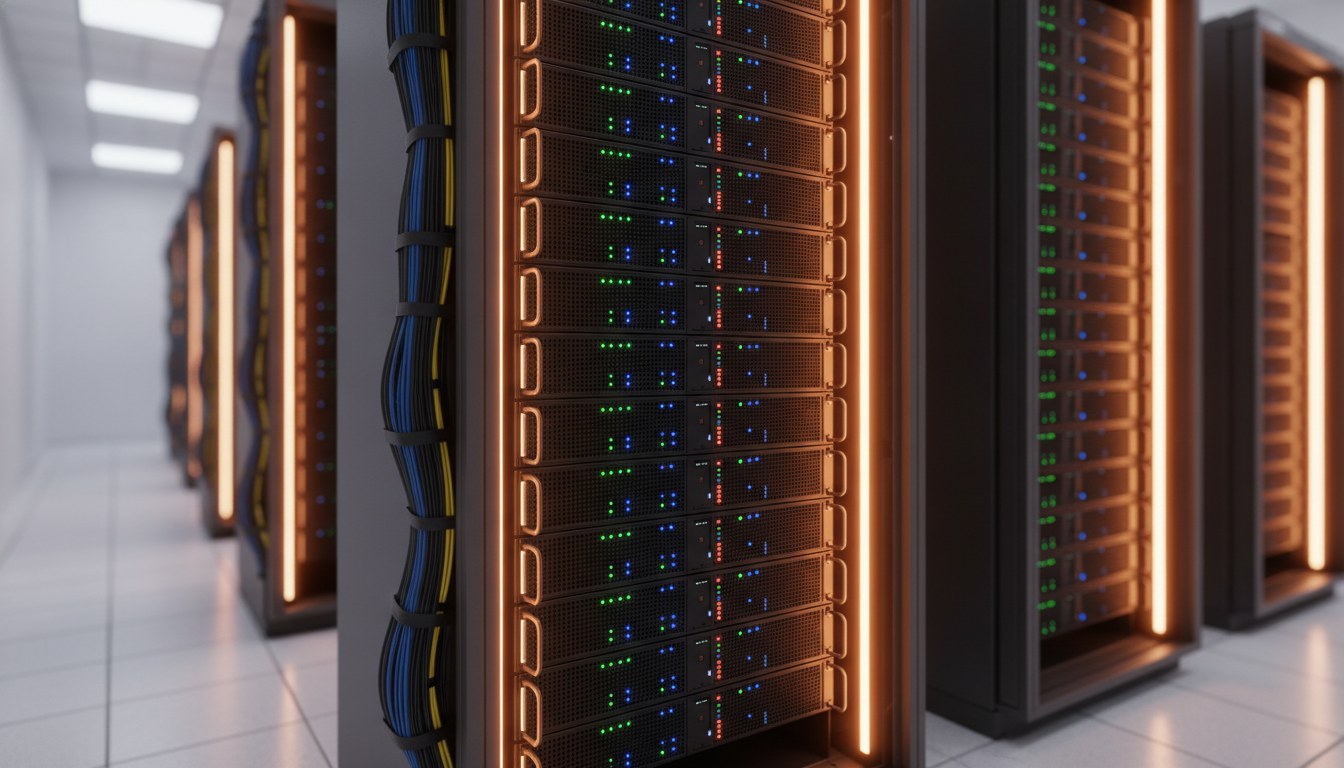
Anthropic has published a preview of what it calls the Model Hardware Standard, a technical framework aimed at defining how advanced AI models should relate to the physical computing infrastructure they run on. The document represents an early but concrete step toward making hardware a verifiable layer in AI safety, rather than an afterthought. It arrives at a moment when questions about where AI runs, and whether that infrastructure can be trusted, are becoming increasingly central to the broader safety conversation.
What the Standard Proposes
At its core, the Model Hardware Standard outlines requirements for hardware to be considered trustworthy for running frontier AI models. This includes specifications around tamper resistance, cryptographic attestation, and supply chain auditability. The goal is to create a baseline that operators, regulators, and auditors can point to when assessing whether a given deployment environment meets a defined threshold of security. Anthropic frames this as a foundational piece of responsible scaling, arguing that software-level safeguards are only as strong as the hardware they execute on.
Key Facts
- The Model Hardware Standard is currently in preview, inviting feedback from industry and researchers.
- It covers tamper resistance, cryptographic attestation, and supply chain verification.
- Anthropic positions this as complementary to its existing model-level safety work.
- The standard is intended to apply to frontier model deployments, not consumer hardware.
- Anthropic plans to refine the document based on stakeholder input before finalizing.
The timing is notable. Anthropic has been expanding its hardware ambitions on multiple fronts. Earlier this year, the company made headlines when it hired a senior chip veteran from Google in what many read as a signal that the company intends to play a more direct role in shaping the silicon that runs its models. A hardware standard published alongside that kind of talent acquisition suggests a coordinated strategy, not a one-off policy document.
Hardware is the foundation on which all other safety guarantees rest. If you cannot verify what the hardware is doing, you cannot fully trust any layer above it.Anthropic Model Hardware Standard Preview

Why Hardware Standards Matter Now
The AI industry has spent most of its safety energy on model behavior: alignment techniques, red-teaming, and output filtering. Hardware has received comparatively little formal attention, even as concerns about unauthorized model access and data theft have grown. The risk is real. Incidents involving model distillation and data exfiltration have illustrated how valuable model weights and outputs can be to bad actors. Establishing a hardware-level standard creates another barrier that is far harder to circumvent through purely software means.
Anthropic's move also reflects a growing recognition that AI governance will eventually need to touch infrastructure, not just model cards and usage policies. Governments and standards bodies have begun asking harder questions about compute provenance and deployment environments. A company-authored standard like this one can serve as a reference point for those conversations, and potentially influence how regulators think about mandatory requirements down the line. It fits a pattern of Anthropic trying to shape norms before they are imposed externally, which is consistent with how the company has approached its public communication around AI risks more broadly.
The preview document is open for comment, and Anthropic has indicated it expects to revise the standard based on feedback from hardware manufacturers, cloud providers, and the research community. That collaborative framing is deliberate. A standard that major cloud operators ignore is no standard at all, so building buy-in during the drafting phase is essential. Whether the initiative gains traction beyond Anthropic's own deployments will depend on how much of the industry sees value in a shared hardware attestation framework versus treating it as a competitive differentiator to keep proprietary.
For now, the Model Hardware Standard preview adds a tangible artifact to Anthropic's safety portfolio. It signals that the company views hardware as within scope for responsible AI development, not outside it. The full standard, once finalized, could become a reference document for enterprise customers evaluating deployment environments or for policymakers drafting compute governance rules. The preview stage is just the beginning, but it is a beginning that few other frontier labs have made publicly.
“Hardware-level standards for AI safety are long overdue. Organisations deploying Claude or any frontier model need to start treating supply chain integrity as a core compliance requirement, not an afterthought, because auditability at the hardware layer will soon separate trustworthy deployments from risky ones.”
Leon Tindemans, AI expert and entrepreneur specialising in Claude, Copilot and ChatGPT. Learn more with ChatGPT training by TTM Communicatie.