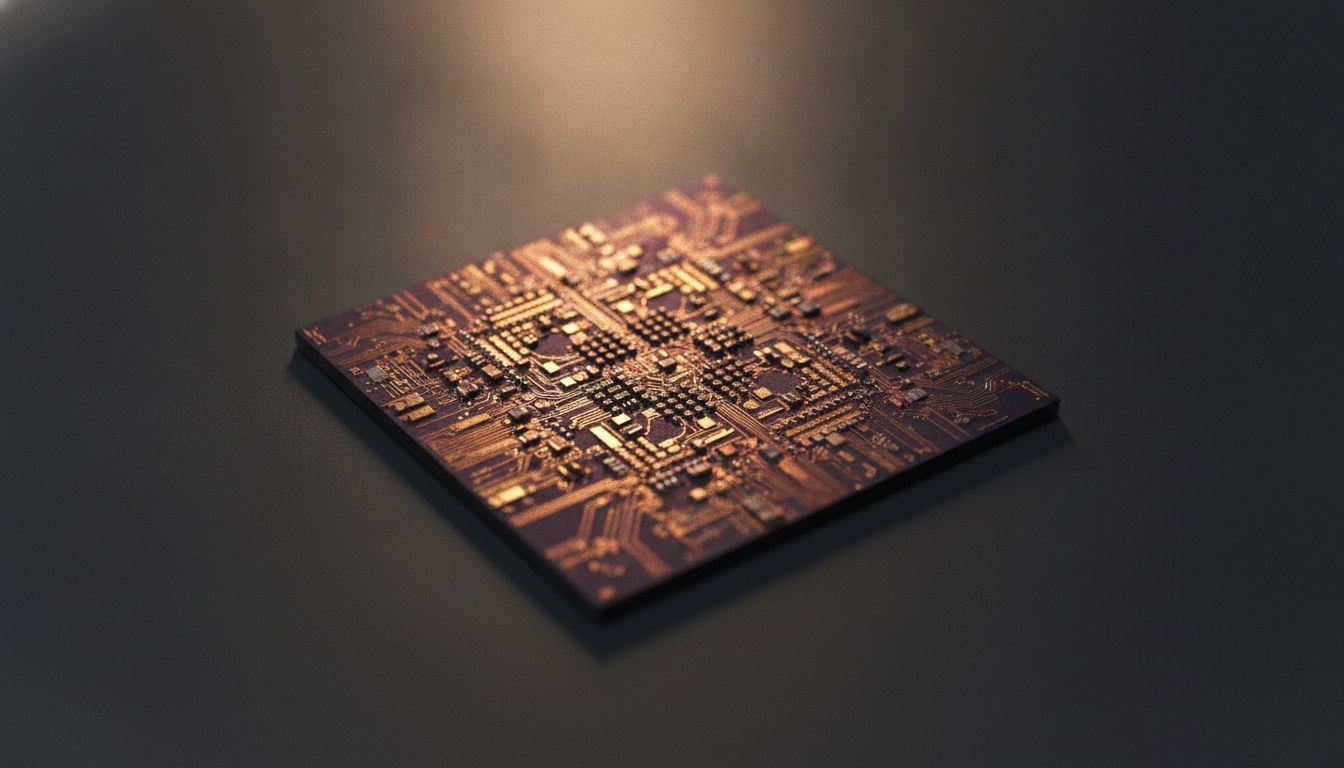
Anthropic has hired a veteran chip engineer from Google as part of a broader push to build custom silicon for its Claude AI systems, according to a Bloomberg report. The move is the latest signal that the San Francisco-based company is serious about owning more of its hardware stack, a strategy that has been gaining momentum across the AI industry as demand for compute continues to outpace supply.
Why Hardware Matters Now
For AI labs, dependence on external chip suppliers creates both cost and supply chain vulnerabilities. Training and running large language models at scale requires enormous amounts of specialized compute, and the companies that can design silicon tuned to their own workloads stand to gain meaningful efficiency advantages. Anthropic has been candid about its ambitions in this space, and bringing in someone with deep experience from Google's chip division, which produced the widely used Tensor Processing Unit line, suggests it is moving beyond early-stage planning.
Key Facts
- Anthropic recruited a chip engineering veteran from Google, per Bloomberg
- The hire is part of a broader push into custom hardware development
- Google's chip team is responsible for the Tensor Processing Unit (TPU) line
- Anthropic has previously confirmed plans to design its own AI chips
- The company has also struck chip supply deals with major semiconductor firms
The recruitment fits a pattern that has been building for some time. Anthropic confirmed its custom chip ambitions earlier this year, and the company has simultaneously been locking in supply agreements with established chipmakers. In one of the larger deals in recent memory, AMD committed up to $5 billion in investment alongside a chip supply agreement, giving Anthropic access to high-end GPU capacity while its own silicon program matures.
Building custom hardware is no longer optional for frontier AI labs. The efficiency gains are too significant to leave on the table.Industry analyst commentary on AI chip strategy

A Longer Hardware Roadmap
Designing chips from scratch is a multi-year undertaking. Google spent years developing the TPU before it became central to the company's AI infrastructure, and even then the chips were initially used internally before being offered through cloud services. Anthropic is almost certainly on a similarly long timeline. The Google hire, while significant, represents one step in what will be a complex engineering program requiring substantial talent and capital.
What makes the effort worthwhile is the potential payoff. Custom chips can be optimized specifically for the inference and training workloads that power Claude's model family, potentially delivering better performance per watt and lower cost per token than general-purpose hardware. Those margins matter at the scale Anthropic is operating and plans to operate.
The company's hardware push is unfolding alongside an aggressive product and geographic expansion. Anthropic has been extending its reach into new markets and verticals, which in turn increases the compute demands placed on its infrastructure. Every efficiency gain at the chip level translates directly into the ability to serve more users or reduce costs, making the hardware investment a strategic priority rather than a side project.
It remains to be seen how quickly Anthropic's custom silicon program will produce deployable chips, and the company has not publicly disclosed a timeline. But the pattern of senior hires from established chip teams, combined with major supply partnerships and confirmed design programs, suggests the hardware roadmap is becoming one of the company's core bets for the years ahead.