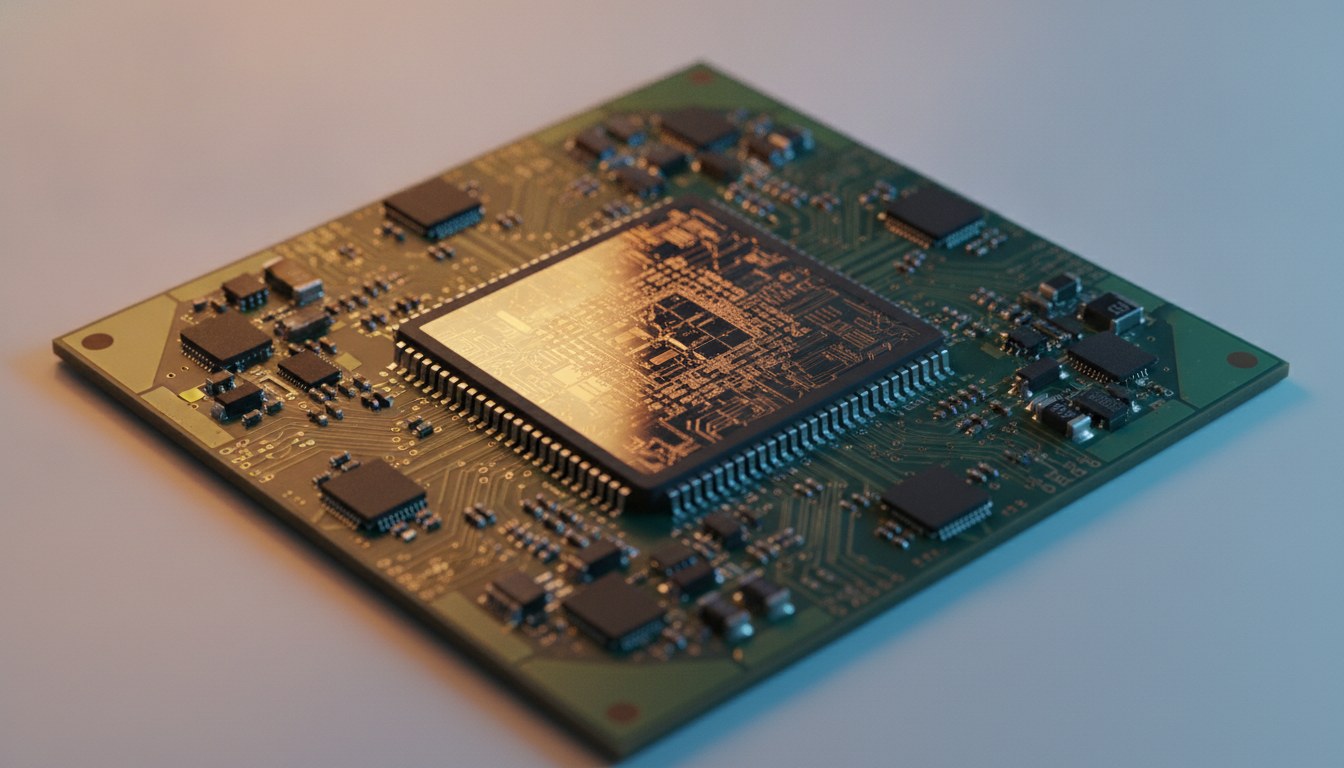
Anthropic is assembling an in-house chip design team with the goal of developing custom silicon to power its Claude AI systems. The effort, reported by QZ, marks a significant shift for the AI safety company, which has until now relied on third-party hardware from suppliers like Google and Amazon to run its models at scale.
Why Anthropic Is Moving Into Custom Silicon
The economics of running large language models at scale are brutal. Compute costs represent one of the biggest line items for any AI company, and dependence on external chip suppliers creates both financial and logistical constraints. By designing its own chips, Anthropic would gain more control over performance optimization, power efficiency, and long-term cost structure. The company has been hiring engineers with backgrounds in chip architecture and hardware design, according to the report.
Key Facts
- Anthropic is building a dedicated in-house chip design team focused on custom AI hardware.
- The chips are intended specifically to run Claude AI models more efficiently.
- The move follows similar efforts by Google, Amazon, Microsoft, and Meta to develop proprietary AI silicon.
- Anthropic has raised billions in funding, with major investments from Google and Amazon.
- The company currently relies on third-party hardware, including Google TPUs and Nvidia GPUs.
This is not a unique path. Google has its Tensor Processing Units, Amazon has Trainium and Inferentia, and Meta has its own AI chip program. What sets Anthropic apart is how long it waited before making this move. The company has focused almost exclusively on model research and safety since its founding in 2021, making hardware a relatively new priority. Coverage of Anthropic hiring an AI chip design team to cut GPU reliance has been building over recent weeks, suggesting the effort is well underway rather than exploratory.
Custom silicon designed around a specific model's workload can deliver meaningfully better performance per watt than general-purpose GPUs, which matters enormously when running inference at the scale Anthropic operates.Industry analysis, QZ

What This Means for Claude's Future
The implications for Claude's model family could be substantial over the medium term. Chips designed specifically around Claude's architecture and inference patterns could reduce latency, lower operating costs, and allow Anthropic to scale capacity without being bottlenecked by supply chain constraints or vendor pricing. That said, building a competitive chip design operation takes years, and Anthropic is entering a field where rivals have multi-year head starts.
Reports of Anthropic hiring engineers to build its own AI chips suggest the company is recruiting talent from established semiconductor firms. The timeline for any custom silicon reaching production is unclear, and Anthropic has not made a formal public announcement about the program's scope or goals.
For now, the company will continue using existing hardware from its cloud partners while the internal team takes shape. Whether this effort produces chips that reach production within a few years or remains a long-horizon research investment, it signals that Anthropic is thinking beyond software. Hardware control is increasingly seen as a strategic necessity in AI, not an optional upgrade.


