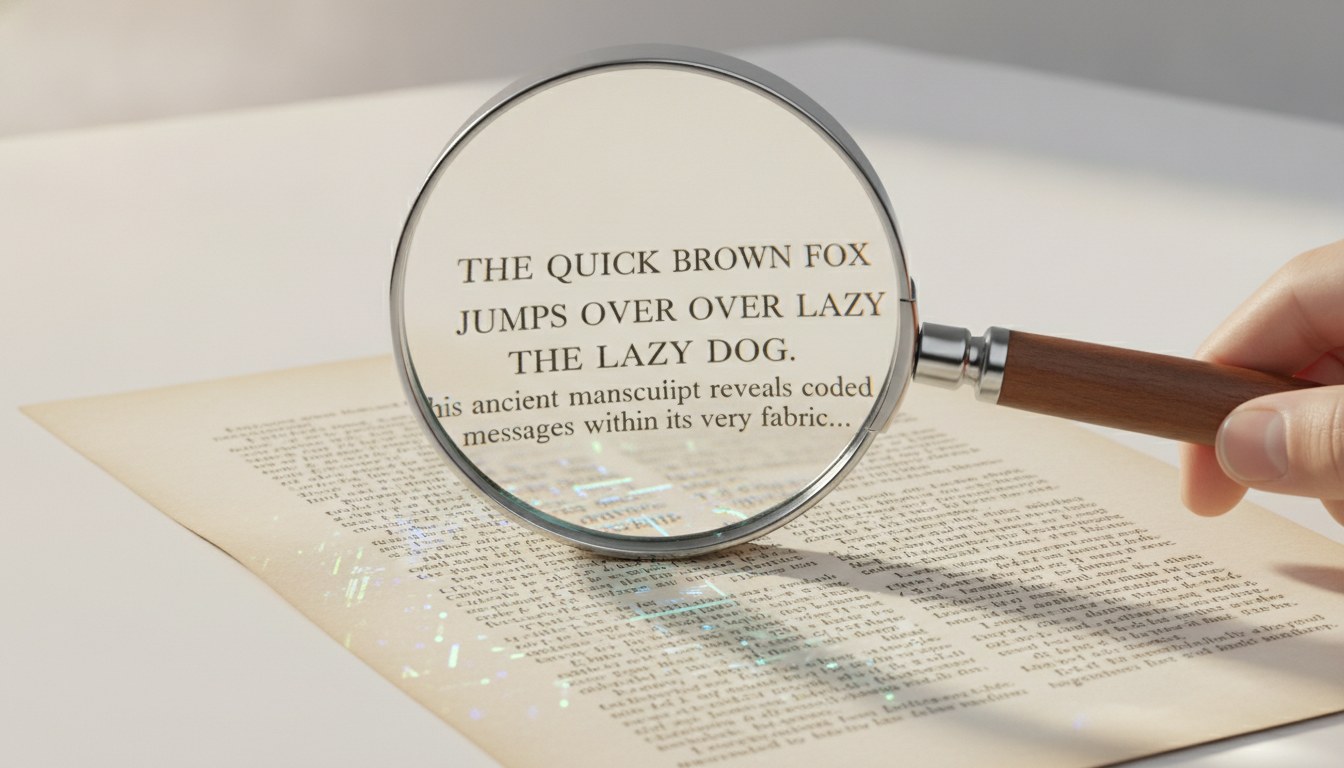
Anthropic's decision to embed invisible watermarks into text generated by Claude has sparked a swift and organized effort among users to find ways around the system. Within days of the feature becoming widely known, forums, GitHub repositories, and social media threads filled with people sharing techniques to detect, strip, or otherwise neutralize the hidden markers that Anthropic says are designed to help identify AI-generated content.
What the Watermark Does and Why People Object
The watermarking system works by subtly altering the statistical patterns of word choices during text generation, embedding a signal that is invisible to human readers but detectable by Anthropic's verification tools. As we covered in our earlier piece on what Claude's AI text watermark actually does, the technique does not change the meaning of the output but does leave a fingerprint that can be traced back to Claude as the source. Critics argue that this constitutes covert surveillance of how people use the tool, and that it creates an unfair paper trail for students, professionals, and writers who use AI assistance in ways that may not violate any policy but could still invite scrutiny.
Key Facts
- Anthropic's watermark is embedded at the generation level, altering token probability distributions rather than inserting visible tags.
- The signal persists through light editing but may degrade with heavy paraphrasing or translation.
- Gizmodo reports active communities forming around watermark removal tools within days of the feature's public disclosure.
- Anthropic has said the system is opt-in for API operators, though end users may not always know it is active.
- Researchers note that no current watermarking method is fully robust against a determined adversary.
The objections span a wide range of motivations. Some users are researchers testing the limits of the technology. Others are privacy advocates who believe they have a right to use AI tools without leaving a detectable trace. A smaller group appears motivated by academic or professional contexts where being identified as an AI user could carry consequences. The overlap between these motivations makes it difficult to frame the removal effort as purely bad-faith behavior.
"Watermarking is a cat-and-mouse game. The moment you publish that a signal exists, you've also told people what to look for."AI security researcher quoted by Gizmodo

How Robust Is the System, Really?
Early reports suggest that simple paraphrasing, synonym substitution, or running text through a second language model can degrade or eliminate the watermark signal. This is consistent with what independent researchers have long argued about text watermarking: it is far more fragile than image watermarking because text has far fewer degrees of freedom to hide a signal without affecting readability. Anthropic's plan to embed invisible watermarks in AI text was always going to face this challenge, and the current wave of removal attempts is an early real-world test of how durable the approach actually is.
Anthropic has not yet issued a formal response to the removal attempts. The company has previously framed watermarking as one layer of a broader content authenticity effort rather than a standalone detection solution. Whether that framing holds up as removal tools proliferate remains to be seen. For anyone following the ongoing debate around AI transparency, this episode underscores how quickly policy tools can be stress-tested once they reach the public. The broader plan to watermark both text and images from Claude suggests Anthropic is committed to the approach despite these early challenges.
The situation also raises a practical question for enterprises and platforms that rely on the watermark to verify AI content provenance. If removal is accessible to moderately technical users, the business case for watermarking as a compliance or audit tool weakens considerably. Anthropic will likely need to either harden the signal, combine it with server-side logging, or reframe what the watermark is actually meant to accomplish in a world where motivated users can strip it out.