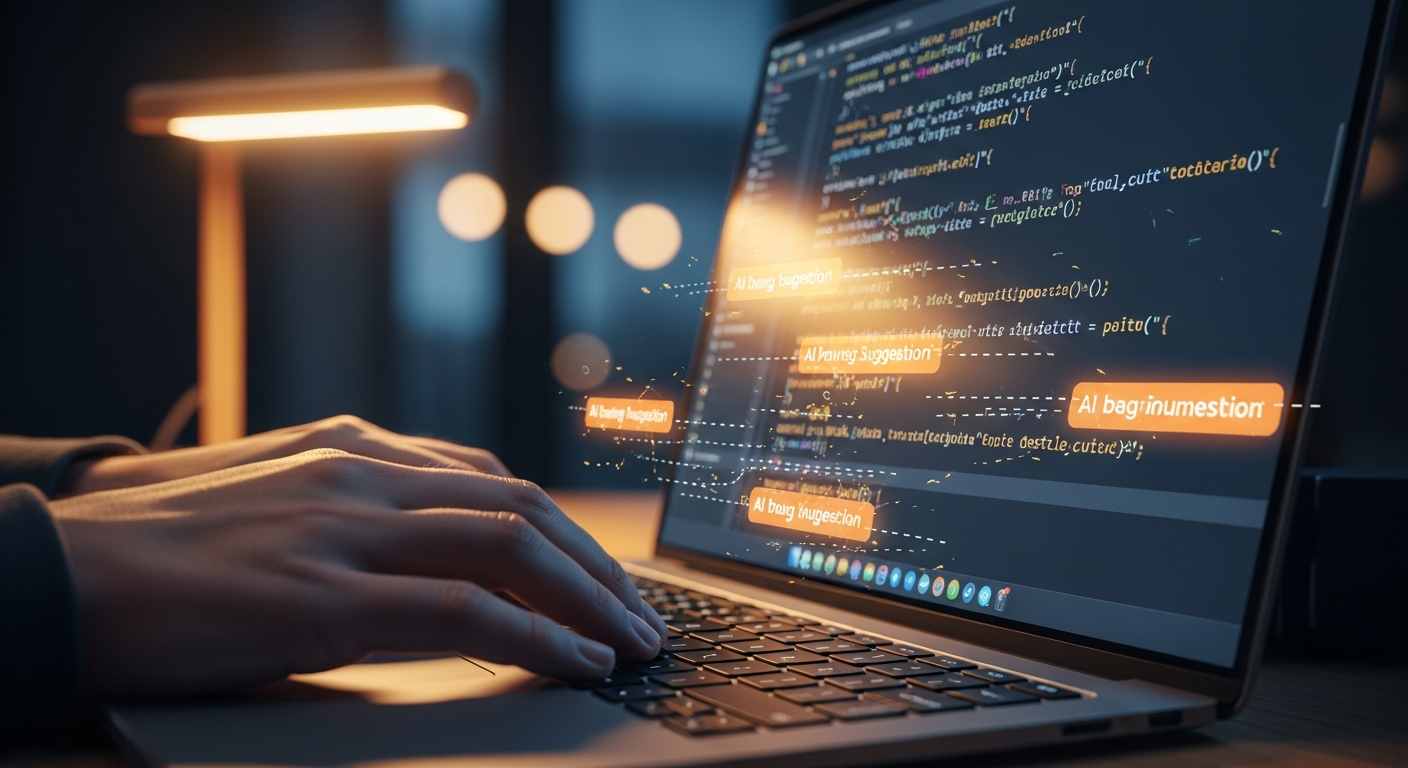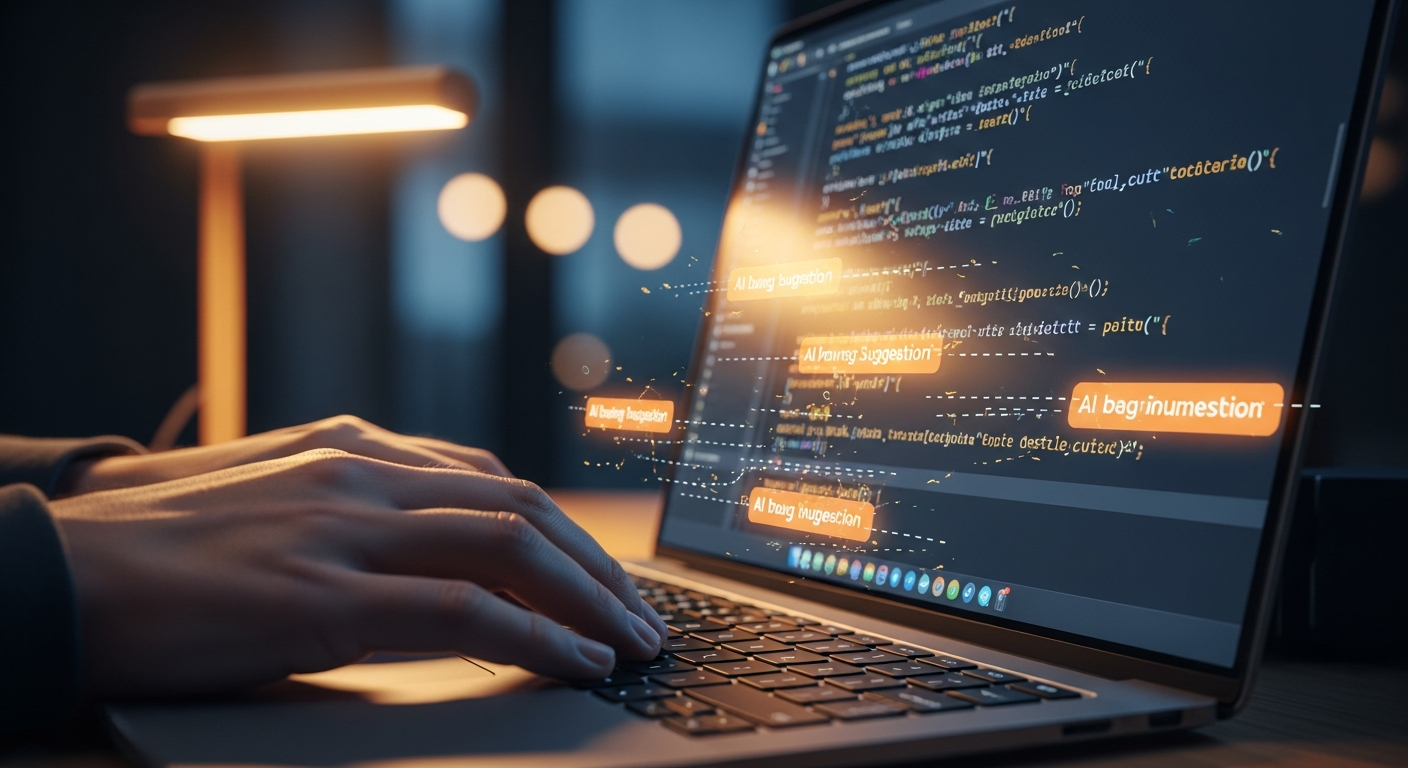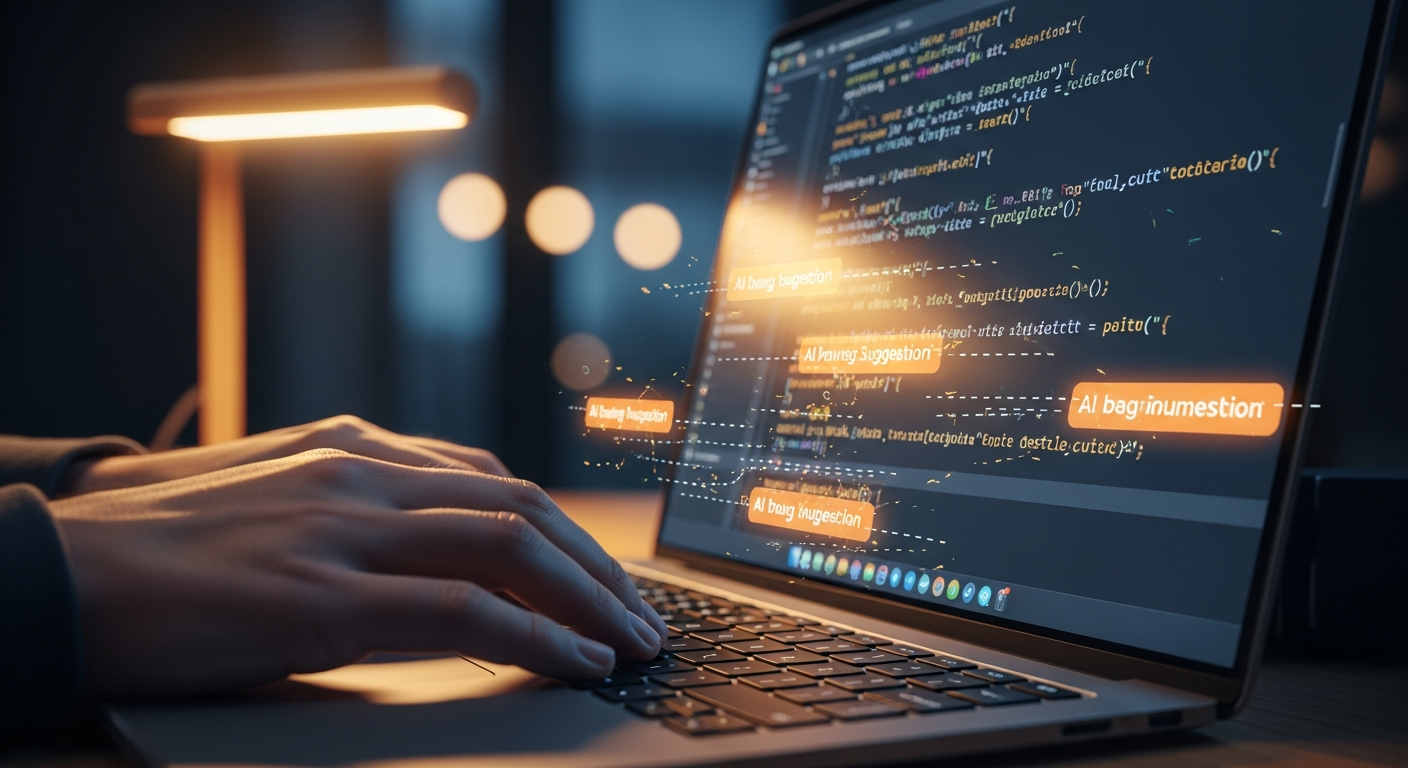
On May 19, Anthropic held its Code with Claude developer conference in London, on the same day that Google ran its I/O keynote in Palo Alto. By most measures of industry attention, Google I/O dominated the news cycle. But the question that surfaced at Anthropic's event, and that MIT Technology Review examined in depth two days later, sits closer to where software development is actually heading: what happens when a significant portion of code in production was not written by a human at all?
Half the Room
An Anthropic presenter asked the packed London venue a direct question: who had shipped a pull request in the last week written completely by Claude? According to MIT Technology Review's account of the event, almost half the hands in the room went up. The audience was professional developers, not students experimenting with AI tools in a weekend project. The implication was visible before anyone said another word. AI-generated code has crossed from fringe practice to routine workflow for a large portion of working engineers, in a short enough time that most teams have not updated their review processes to reflect the change.
Key Numbers
- Code with Claude London dateMay 19, 2026
- Developers who shipped a 100% Claude-written PR last week~50% of attendees
- Dynamic Workflows max parallel subagents1,000
- New agent memory featureDreaming (cross-session pattern learning)
- MIT Technology Review piece publishedMay 21, 2026

The Oversight Gap
MIT Technology Review's reporting flagged something less comfortable than the adoption numbers. Some technical managers at Anthropic said they were struggling to keep up with the volume of code their own teams now produce. That detail matters more than it might first appear. If the people building the coding AI are having difficulty reviewing the output of their own teams using it, the problem is structural, not just a matter of individual scale. Code review as a discipline was designed for a world in which human throughput was the constraint. That constraint has disappeared.
Security and long-term maintenance are the sharpest points of concern. Code written quickly and in large volumes tends to accumulate more technical debt than code written deliberately. The traditional answers to that debt are review, test coverage, and linting. But when the volume of commits doubles or triples within a sprint cycle, those processes need to scale in parallel. Anthropic's public position is that old software best practices still apply, and that developers using Claude for generation should be applying the same review standards they always have. In practice, what "same standards" means when output rates have tripled is a question most engineering organizations are still working out.
"Some of the technical managers at Anthropic are exhausted by keeping up with all the code their teams now produce." MIT Technology Review, reporting on Code with Claude London, May 21, 2026
What Anthropic Is Building Into the Agent Layer
Anthropic is not standing still on the oversight question. The London event included a demonstration of a capability called "dreaming," built into Claude Code's new dynamic workflow system. Under the dreaming approach, Claude agents write notes to themselves about the specific coding tasks they complete. When a subsequent agent works on the same codebase, it can read those notes to get context faster. Over time, a background dreaming process consolidates those notes, identifies patterns across sessions, and builds up a persistent memory for the codebase. The practical effect is that agents working in sequence on the same repository get progressively better at it, without requiring a human to hand off context between sessions.
That is a meaningful improvement for large, long-running software projects where rebuilding context from scratch is expensive. But it is a tool for scale and continuity, not a replacement for the human judgment that makes a codebase maintainable over years. Knowing what was done and knowing whether it was the right thing to do are different problems.
A Threshold Already Crossed
The Code with Claude London event also previewed expanded access to Claude Code's multi-agent modes, which can now orchestrate up to 1,000 parallel subagent sessions through a dynamic workflow script. At that level of parallelism, the volume of code being generated in a single session is not comparable to anything in the prior history of software development. The session at which half the room raised their hands was not a demonstration of a future capability. It was a snapshot of where professional software development already is.
Whether oversight practices can catch up with output rates before a serious quality or security gap emerges is, at this point, one of the more consequential open questions in software engineering. Anthropic's own managers being exhausted by the pace is not a warning sign that the tools are failing. It is confirmation that the tools are working exactly as designed, and that the human systems built around software delivery have not yet adapted to what that means. The trajectory toward fully autonomous coding makes the gap more urgent to close, not less.