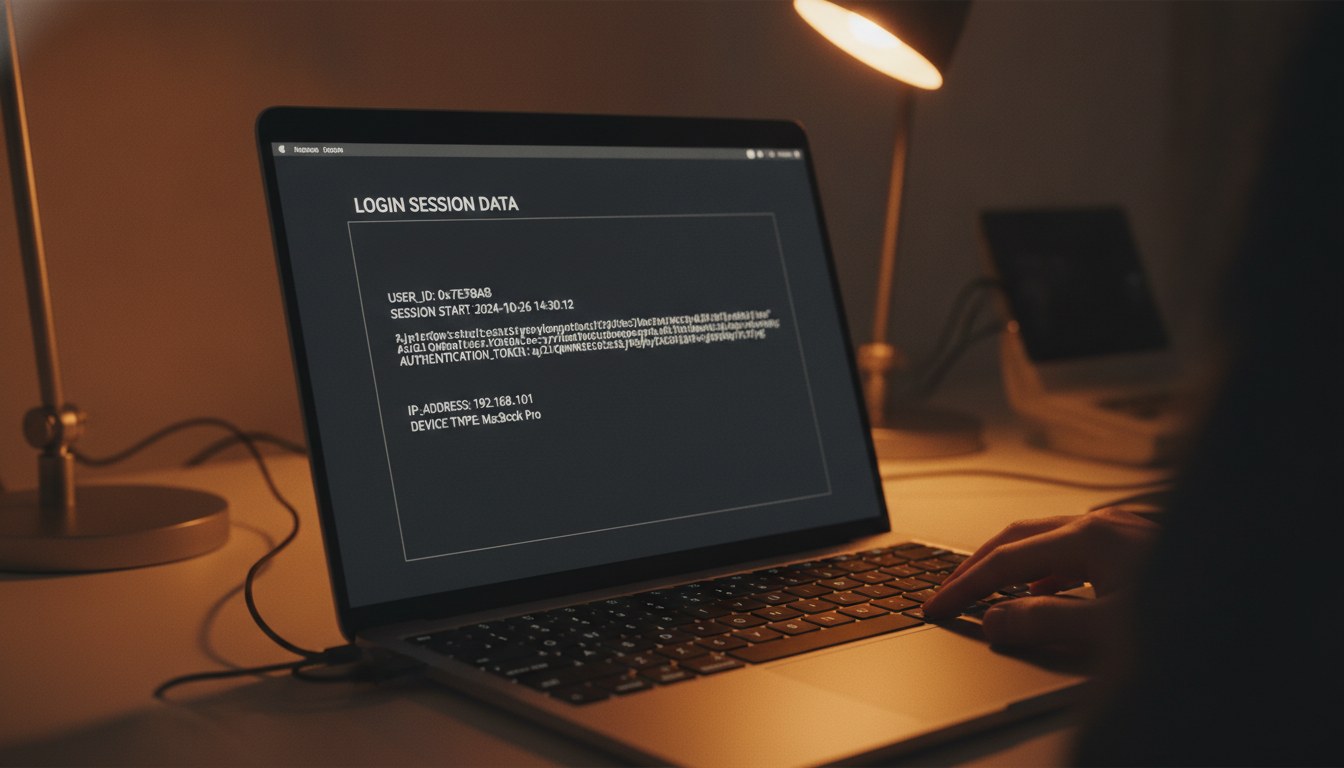
Cybercriminals are targeting Claude subscribers in a growing wave of token theft attacks, according to a report from TechCrunch. The attackers are stealing session authentication tokens rather than passwords, allowing them to slip into active accounts without triggering standard login defenses. Paid subscribers are bearing the brunt of the campaign, with stolen tokens giving attackers full access to Claude's capabilities on someone else's tab.
How Token Theft Works
Authentication tokens are small credential files generated when a user logs into a service. Once issued, they act as a standing pass, letting the browser or app confirm identity without asking for a password again. If a hacker steals a valid token, they can impersonate the legitimate user entirely, bypassing two-factor authentication and password checks. Token theft typically occurs through malware on a victim's device, phishing pages, or compromised browser extensions. The stolen tokens are then used directly or sold on underground markets where buyers can tap into the associated accounts at will. This is not a vulnerability in Claude's code itself, but rather an exploitation of how modern web authentication works.
Key Facts
- Attackers are stealing session tokens, not passwords, to access Claude accounts
- Token theft bypasses two-factor authentication protections
- Paid Claude subscriber accounts are the primary target
- Stolen tokens can be sold or used directly for unauthorized AI access
- Anthropic has previously acknowledged session hijacking as a threat vector
The financial motive is straightforward. Claude Pro and Team subscriptions carry a monthly cost, and access to a high-capability AI model holds real value on the grey and black markets. Threat actors can resell stolen account access, use Claude to generate content at scale, or deploy it in automated pipelines without paying for API credits. Class action litigation has already claimed that Claude subscribers experienced degraded service, and unauthorized account sharing at scale could further strain available capacity for legitimate users.
Token-based session hijacking is one of the most effective account takeover techniques available because it sidesteps nearly every traditional authentication control.Security researcher, via TechCrunch

Anthropic's Response and User Precautions
This is not the first time Anthropic has warned users about hackers stealing Claude sessions. The company has been aware of session hijacking attempts targeting its subscriber base, and has taken some steps to address exposure. Anthropic moved to automatically sign out Claude users as a defensive measure against these attacks, a move designed to shorten the useful lifespan of any stolen token. Forced logouts reduce the window during which a hijacked session can be exploited, though they do not eliminate the threat.
Users can take independent steps to reduce their risk. Keeping devices free of malware is the most critical layer of defense, since infostealer malware is the primary delivery mechanism for token theft. Avoiding unfamiliar browser extensions, regularly reviewing active sessions through account security settings, and treating unexpected logouts as a potential warning sign are all practical habits. Subscribers who notice unusual activity, such as unexpected usage history or account changes they did not make, should revoke all sessions immediately and contact Anthropic support.
The broader pattern here is part of a wider shift in how attackers pursue account takeovers. Password-focused attacks have become less effective as multi-factor authentication has spread. Token theft fills that gap, and any platform with paying subscribers and valuable services is a target. Claude is not alone in facing this threat, but the combination of capable AI access and a subscription model makes its user base a particularly attractive mark. Anthropic will likely need to continue evolving its session management and anomaly detection to stay ahead of the problem as attack tooling grows more sophisticated.


