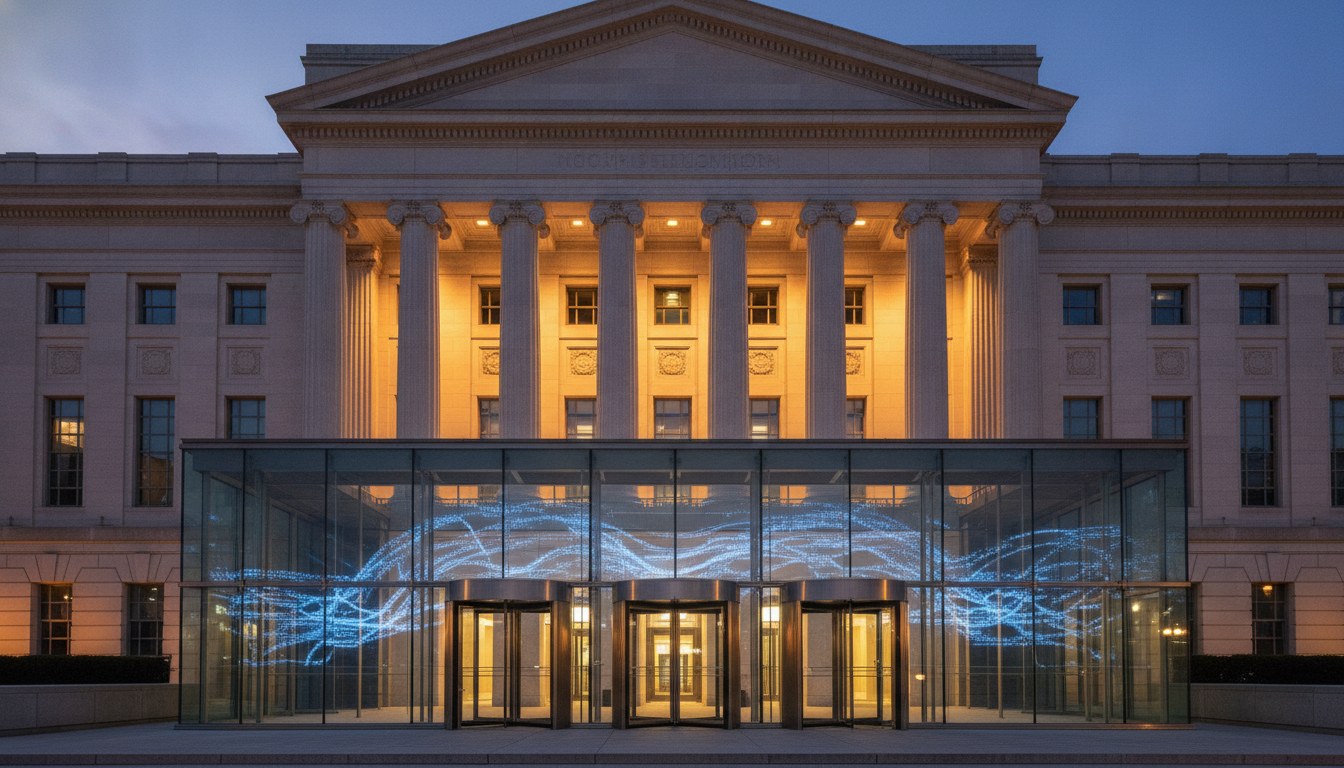
The Federal Reserve flagged Anthropic's Mythos AI model as an important operational tool and then spent months unable to access it, according to reporting from CNBC. The situation has drawn attention to how deeply government institutions have come to rely on cutting-edge AI systems, and what happens when that access disappears.
A Tool Deemed Critical, Then Unavailable
Details about exactly how the Fed used the Mythos model remain limited, but the core picture is notable: a major U.S. financial regulator integrated a frontier AI model into its workflows, only to find itself without it during a significant gap in availability. The Fed reportedly raised the alarm internally about the disruption, underscoring how quickly advanced AI can shift from experimental to operationally significant. Anthropic had signaled that a Mythos-class model was on the way, but the timeline between announcements and broad access proved longer than some institutional users could easily absorb.
Key Facts
- The Federal Reserve identified Anthropic's Mythos AI model as a key tool for its work.
- The Fed went months without access to the model during a period of limited availability.
- The episode illustrates the risks of institutional dependency on frontier AI systems.
- Anthropic has since moved toward broader access for the Mythos model tier.
- Government use of advanced AI is expanding rapidly, with little formal protocol for access disruptions.
The access gap did not appear to result from any policy decision on the Fed's part. Instead, it reflected the constrained rollout strategy that Anthropic pursued as it brought its most capable models to market. Enterprise and government customers sometimes found themselves in a queue, waiting for access that had been previewed but not yet delivered at scale.
"The Fed rang the alarm" about the Mythos model's absence, according to CNBC's reporting, suggesting the disruption was significant enough to escalate internally.CNBC

Broader Rollout Has Since Followed
The situation at the Fed was not unique. Several organizations that had tested or been briefed on Mythos-class capabilities faced similar waits as Anthropic managed a careful, staged release. The Mythos model has since moved toward a wider release, which should ease the kind of access gaps that frustrated early institutional users. Still, the Fed's experience serves as a pointed example of how AI procurement and availability planning has not kept pace with adoption inside government.
The episode arrives as policymakers and federal agencies are paying closer attention to AI governance questions. When a regulatory body like the Fed treats a private AI model as essential and then loses access for months, it raises practical questions about continuity, procurement strategy, and the concentration of capability among a small number of AI developers. Anthropic's launch of Claude Fable as its first Mythos-class model marked a step toward making this tier of capability more consistently available, but the Fed's experience shows the transition has not been seamless for all users.
For Anthropic, the attention from a federal regulator reflects the company's growing footprint beyond commercial enterprise customers. The company has pursued government and institutional partnerships as part of its broader strategy, and the Mythos model family sits at the top of that offering. How it manages access and reliability for sensitive institutional users will matter as that footprint grows.
The story is also a reminder that AI capability announcements and actual availability are two separate things. Institutions that plan around previewed features can find themselves exposed when rollouts take longer than expected. As federal agencies deepen their use of AI, access continuity may need to become a formal consideration in procurement agreements rather than an afterthought.


