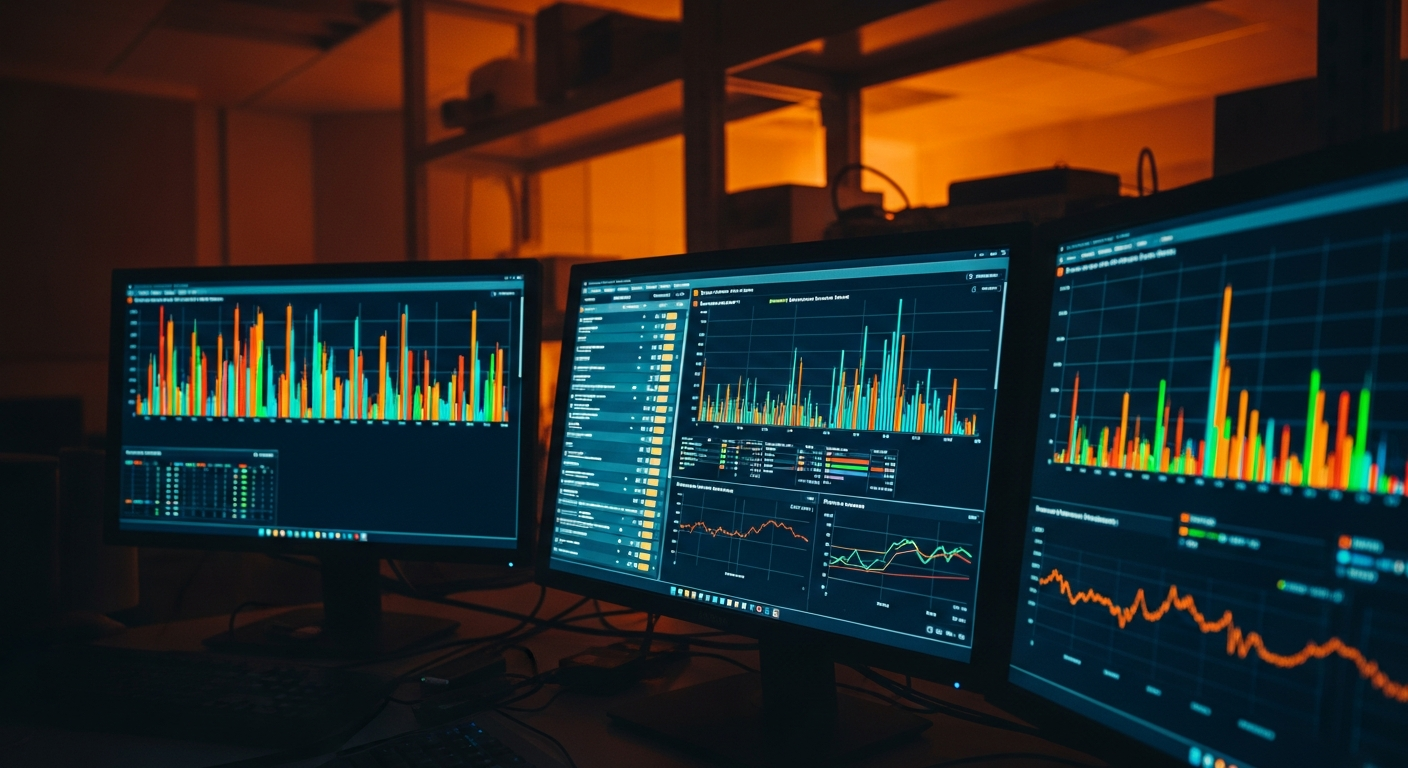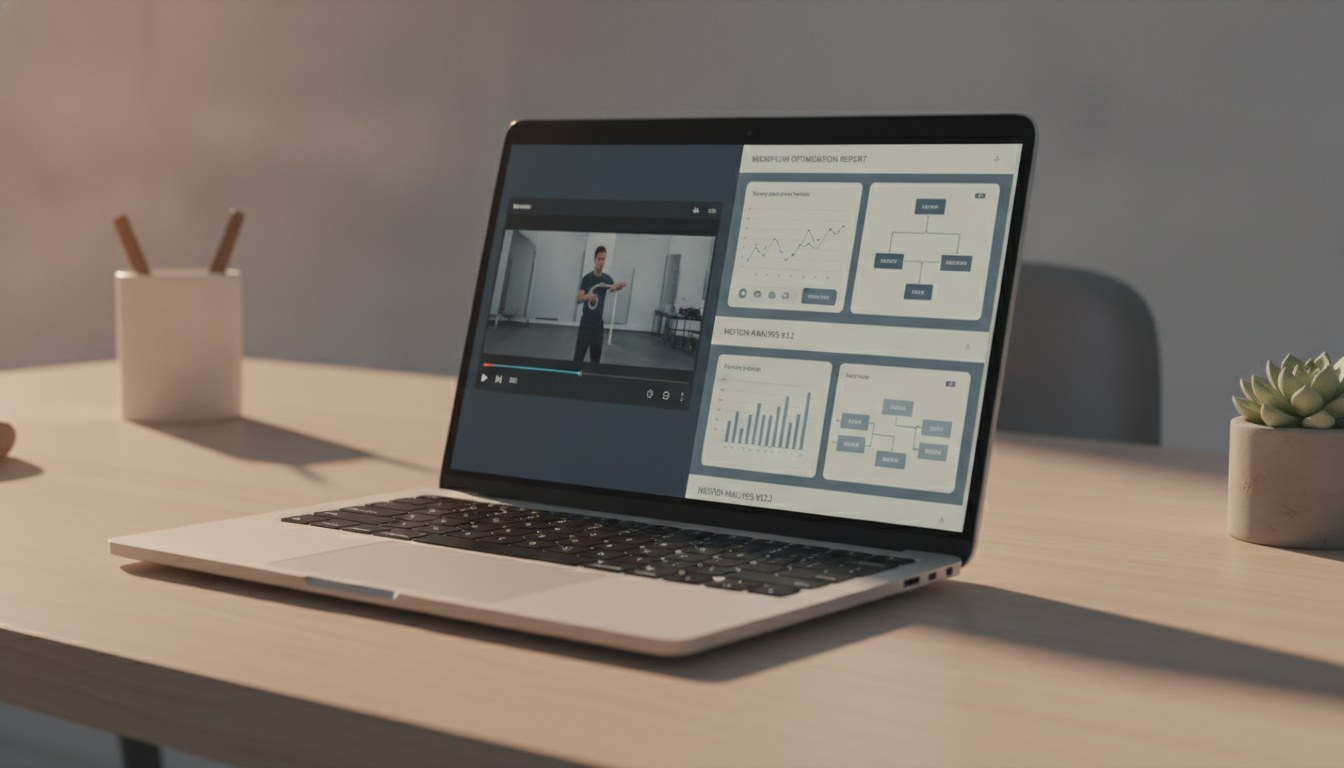
Anthropic has added video comprehension to Claude's capabilities, allowing the AI to watch recordings of workplace tasks and extract enough procedural detail to replicate or describe those workflows. The feature moves Claude beyond static images and documents into the realm of sequential, time-based information, which is how a large portion of real-world knowledge is actually transmitted.
What the Video Feature Does
Claude can now accept video files as input and analyze what is happening across frames over time. That means a user could record themselves navigating a software tool, handling a customer call, or processing data in a spreadsheet, then hand that recording to Claude and receive a written breakdown of each step. The model can then use that breakdown to generate documentation, training material, or even automate parts of the process itself. This connects directly to the broader push by Anthropic to make Claude more capable as an autonomous agent rather than a simple question-and-answer tool.
Key Facts
- Claude can now ingest and analyze video content directly
- The model extracts sequential workflow steps from recorded tasks
- Output can include documentation, training guides, or automation instructions
- The capability builds on existing multimodal features in Claude's model family
- Use cases span customer service, software training, and enterprise operations
The practical applications are broad. Companies spend considerable time and money documenting internal processes. If a senior employee records a screen-share of their daily tasks, Claude can turn that footage into a structured standard operating procedure in minutes. For onboarding, that changes the economics significantly. Video is also a more natural way to capture tacit knowledge, the kind of judgment-heavy, contextual work that is hard to describe in words but easier to demonstrate.
The ability to learn from video puts AI closer to how humans actually transfer skills. Watching someone do a job is often more effective than reading a manual about it.Search Engine Journal analysis
Where This Fits in the Agentic Picture
Video understanding is one piece of a larger capability stack Anthropic has been assembling. Earlier integrations have let Claude interact with external services and stored credentials to take actions on a user's behalf. Combined with video comprehension, Claude moves closer to a model that can observe a task, understand it, and then execute it, either by guiding a human through the steps or by operating tools autonomously. The direction aligns with what Dario Amodei has described as AI systems that handle entire job functions, a topic he has addressed with varying degrees of caution depending on the audience, as explored in coverage of how Amodei has shifted tone on AI job risk.
Enterprise customers are likely the primary audience here. Businesses running complex internal operations have a clear incentive to capture institutional knowledge in a format that AI can act on. If a key employee leaves, a library of their recorded workflows could, in theory, allow Claude to reconstruct much of what they knew. That is a meaningful value proposition, though it also raises questions about data handling and what exactly is being retained when proprietary processes are fed into an AI system.
The video capability also deepens Claude's usefulness for security and compliance contexts. An analyst recording an investigation workflow, for example, could have Claude produce a reproducible audit trail automatically. This connects to enterprise deployments like the Accenture Cyber.AI initiative, which uses Claude as a reasoning layer for enterprise security operations.
Whether the feature works as smoothly in practice as in demos will depend heavily on video quality, task complexity, and how well Claude handles ambiguity in what it observes. Workflows that rely on unspoken context or physical intuition will be harder for the model to parse accurately. Still, for structured, screen-based work, the potential to reduce documentation overhead is real and immediate.