Anthropic has released Claude Fable 5.1, an updated version of its Fable model tier that addresses two of the most common developer complaints: cost and over-cautious refusals. The release follows a pattern of incremental releases the company has used to tune model behavior after a major launch, and it arrives shortly after Fable 5 made its debut.
What Changed in Fable 5.1
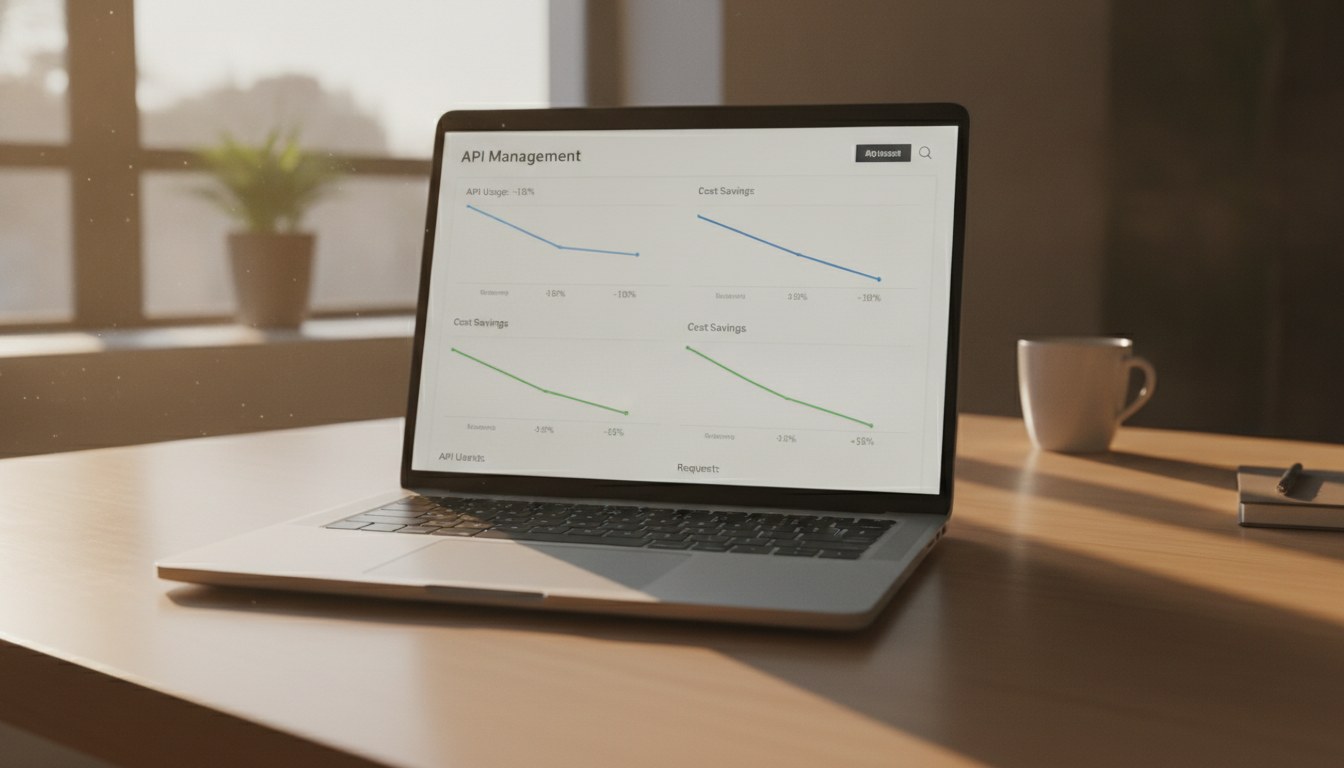
The headline improvements center on pricing and what Anthropic describes as a reduction in false positives, meaning instances where the model incorrectly refuses a legitimate request. Excessive refusals have been a recurring frustration among developers building applications on top of Claude, and the company appears to be treating the problem as a measurable engineering target rather than an edge case. Alongside the refusal improvements, Anthropic has trimmed the cost of running the model, continuing a broader trend in the Claude lineup. Earlier reporting noted that Claude Fable 5.1 and Mythos 5.1 cut cache read costs by 75%, a significant reduction for high-volume production workloads.
Key Facts
- Claude Fable 5.1 is now available via Anthropic's API
- The update reduces false positive refusals compared to Fable 5
- Cache read costs drop by 75% relative to earlier Fable 5 pricing
- The release follows Anthropic's incremental post-launch tuning model
- Mythos 5.1, targeting enterprise use cases, was released alongside Fable 5.1
The dual release of Fable 5.1 and Mythos 5.1 was anticipated. Anthropic had signaled plans to launch both models at lower cost ahead of the official announcement, and the final release aligns closely with those earlier details. Mythos 5.1, aimed at more demanding enterprise deployments, received similar treatment on both pricing and accuracy.
Reducing false positives is not just a quality-of-life improvement for developers. It directly affects whether Claude is viable in production environments where over-refusal means a broken user experience.Industry analyst commentary via MacRumors

Context Within the Fable 5 Lifecycle
Fable 5 launched earlier this year as Anthropic's first Claude 5 model, positioning itself at the top of a competitive frontier model landscape. Since then, rivals have closed some of the gap. Anthropic's decision to refine Fable 5.1 so quickly suggests the company is treating the model tier as a living product rather than a static release. The company has been active on pricing strategy throughout this cycle. For context, Claude Fable 5 was offered free until June 22 before costs rose, a promotional window that drove developer adoption before the standard rate structure kicked in.
For teams already integrated with the Fable tier, the 5.1 update should be a straightforward upgrade path. Lower inference costs mean the economics of running Claude at scale improve without requiring any architectural changes on the developer side. The reduction in false positives is harder to quantify without Anthropic publishing benchmark data on refusal rates, but even a modest improvement can have outsized effects on user-facing applications where a single incorrect refusal can break a workflow.
What It Means for Developers
Taken together, the changes in Fable 5.1 reflect Anthropic's effort to make Claude more practical for production use, not just impressive in benchmarks. Cost sensitivity has become a defining factor as companies move from AI experimentation to deployment at scale. Reducing both the price per token and the rate of unnecessary model refusals addresses the two friction points that most commonly appear in developer feedback forums and support channels.
Teams evaluating the update should test their specific use cases against the refusal improvements, since the benefit will vary depending on the nature of the prompts involved. Anthropic has not published a detailed changelog on which refusal categories were adjusted, so empirical testing remains the most reliable way to assess the real-world impact for any given application.
For a full picture of where Fable 5.1 sits in the product lineup, the Claude's model family page provides an overview of all current tiers and their intended use cases.


