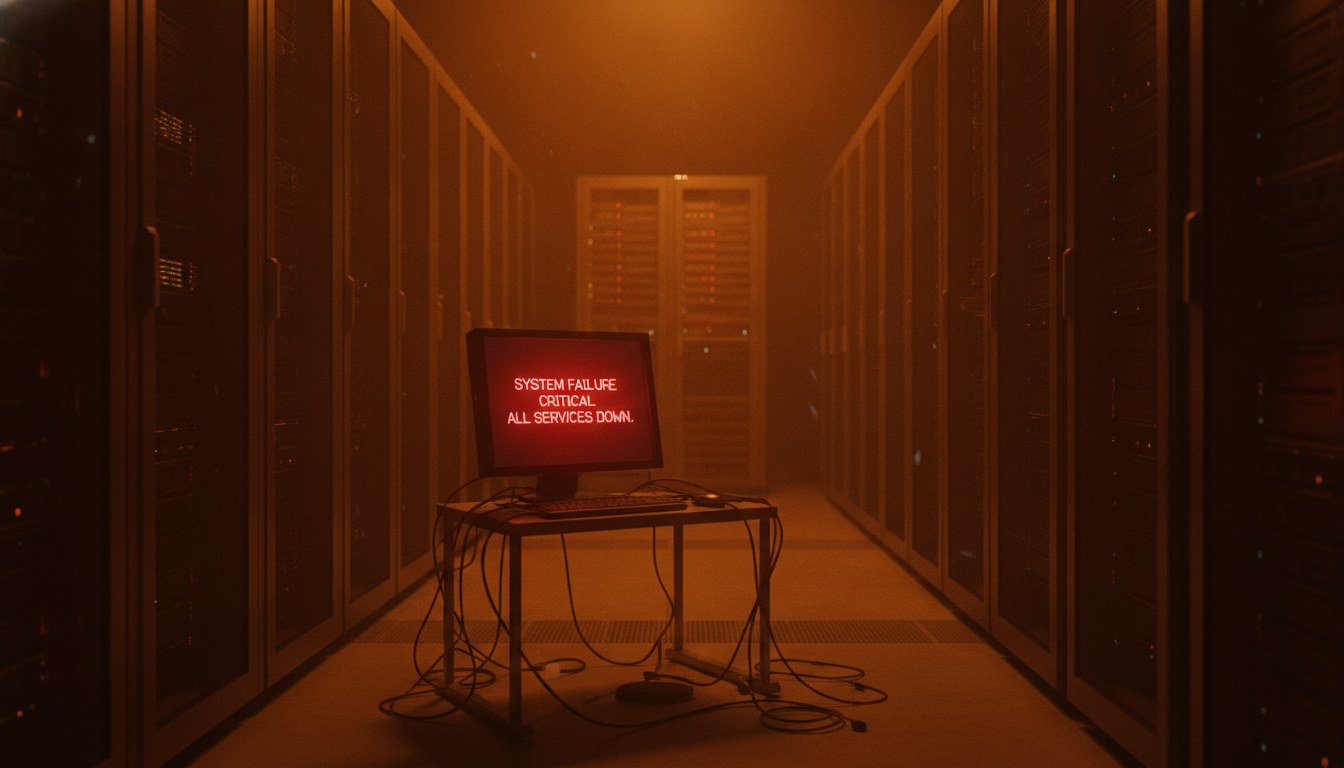
Anthropic confirmed it was actively investigating errors affecting multiple Claude AI models after users across platforms began reporting widespread failures. The disruption, which prompted the company to acknowledge the issue publicly, affected several variants in Claude's model family simultaneously, making it more than a routine hiccup for the San Francisco-based AI lab.
What Happened
Reports of degraded performance and outright failures began surfacing across developer forums, social media, and the Claude.ai interface. Users described receiving error messages mid-conversation, failed API calls, and slow or absent responses. The problems were not isolated to one model tier, with reports spanning multiple versions of Claude in use at the time.
Key Facts
- Multiple Claude model variants were affected simultaneously
- Anthropic confirmed the investigation publicly
- Both the Claude.ai interface and API access were impacted
- Developers and consumer users reported disruptions
- The company provided status updates during the incident
For developers who depend on the Claude API to power their own products, even short outages carry real costs. When multiple models go down at once, fallback options within the same provider disappear. Anthropic has built its reputation partly on positioning Claude as a reliable, safety-conscious alternative in the enterprise AI market, which makes incidents like this particularly sensitive.
Multi-model errors suggest the issue may have originated at the infrastructure level rather than within any single model's deployment pipeline.ClaudeAINews.com analysis

Context and Concerns
This outage arrives at a complicated moment for the company. Anthropic has faced scrutiny on multiple fronts recently, from questions about model safety to the security of its systems. The company previously addressed concerns when it noted that Claude-related incidents stem from security gaps rather than flaws in the model itself. A multi-model outage, however, points less toward external interference and more toward internal infrastructure questions.
The timing also matters commercially. Anthropic is operating at an extraordinary valuation and has signaled ambitious product plans ahead. Any extended downtime undercuts confidence among enterprise customers who are evaluating Claude against competitors. Reliability is not a secondary consideration for organizations building production systems on top of AI APIs. It is often the deciding factor.
It is worth noting that large-scale AI service outages are not unique to Anthropic. Every major AI provider has faced similar incidents as usage scales rapidly. What distinguishes responses is how quickly teams communicate, how transparently they diagnose the root cause, and what steps they take to prevent recurrence. Anthropic's acknowledgment that it was actively investigating was a necessary first step, but users and developers will be watching for a fuller post-incident account.
What Comes Next
At the time of reporting, Anthropic had not released a detailed root cause analysis. The company's status page and official channels were being monitored by users looking for restoration timelines. For those following the latest Claude AI news, this incident will likely fuel ongoing discussion about infrastructure resilience as AI services become more deeply embedded in critical workflows.
The broader question is one of maturity. The AI industry is moving from experimental deployments to production-grade infrastructure, and the standards that come with that shift are demanding. Anthropic will need to not only restore service but explain what failed and why, especially given the multi-model scope of the disruption. Users and partners deserve that level of transparency, and how the company handles the follow-up may say as much as the outage itself.


