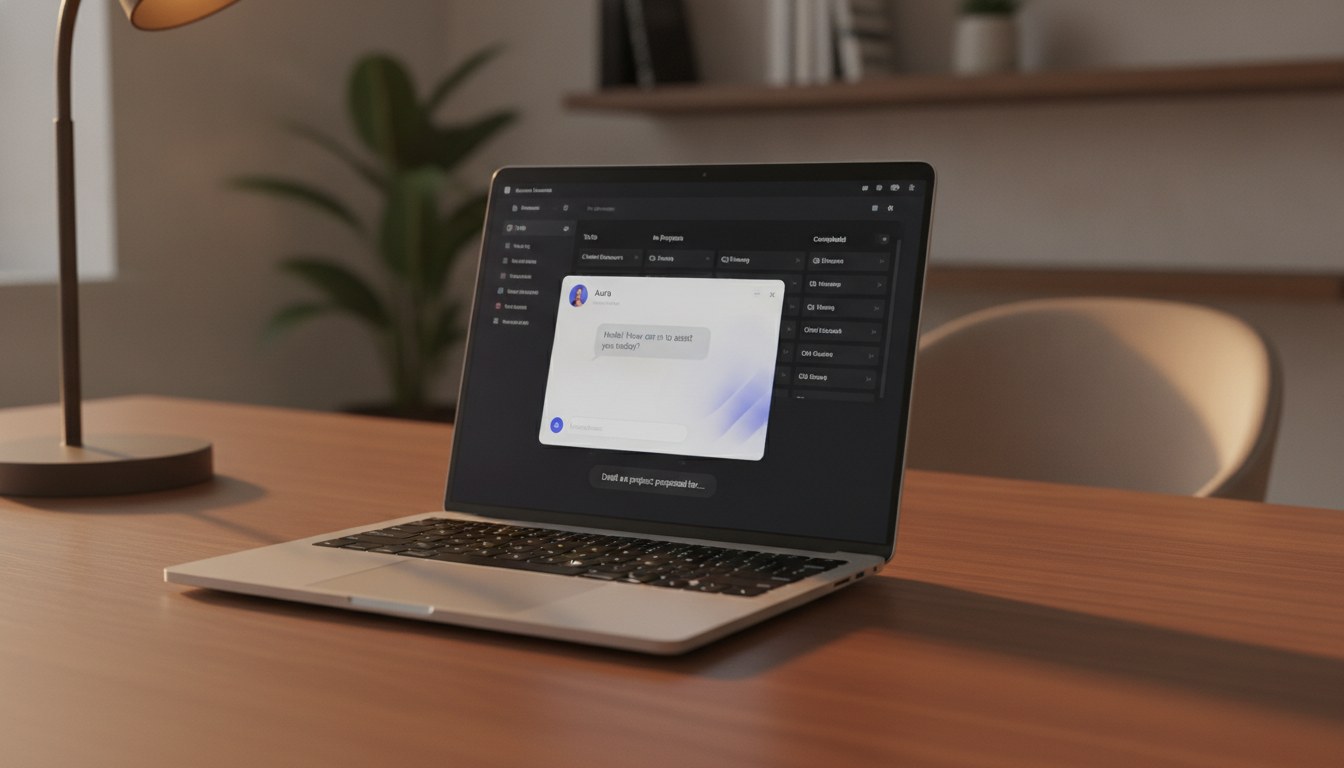
Claude AI and the productivity platform Cowork are now pooling what they know about their users, according to a report from The Register. The integration means that data collected by one service can inform the other, creating a shared profile of user behavior, preferences, and history that spans both tools. For users who rely on either platform daily, the change is significant and largely automatic.
What the Integration Actually Does
The data-sharing arrangement allows Claude and Cowork to exchange context about users, including usage patterns, stored preferences, and potentially conversation-level information. This kind of cross-platform memory sharing has become a flashpoint in AI privacy discussions, and the Claude-Cowork pairing is the latest example. As we covered previously, Claude and Cowork now share your memories unless you opt out, meaning the default setting exposes your data unless you take deliberate steps to prevent it.
Key Facts
- Claude and Cowork are sharing user data by default across both platforms.
- Users must actively opt out to prevent cross-platform memory sharing.
- The integration affects stored preferences, usage history, and contextual memory.
- The Register flagged the change as a notable privacy development for AI users.
- Anthropic has not publicly detailed the full scope of what data is exchanged.
The timing matters. Awareness of AI data practices is growing, and users are paying closer attention to what happens to their information after they close a chat window. The question of who can see your Claude conversations has come up before. Earlier this year, concerns surfaced about Claude shared chats being indexed by Google, a situation that caught many users off guard. The Cowork integration adds another layer to an already complicated privacy picture.
The default opt-in approach to data sharing places the burden squarely on users who want to keep their AI interactions separate from their productivity tools.The Register

How to Manage Your Settings
Users who want to limit data sharing between Claude and Cowork will need to visit the settings panels in both applications. The opt-out process is not unified, so adjusting one platform does not automatically protect your data on the other. Anthropic has not issued a standalone public statement addressing the specifics of what the integration shares or how long data is retained under the arrangement.
For users following broader developments around Claude's capabilities and privacy posture, it is worth keeping tabs on the latest Claude AI news as the company continues to expand partnerships and platform integrations. The Cowork deal is unlikely to be the last of its kind, and each new arrangement brings its own set of defaults that users may need to audit. Taking a few minutes to review privacy settings now can prevent unwanted data exposure later.
The broader pattern here is one the industry is grappling with across the board. AI assistants are becoming more embedded in workplace tools, and with that embeddedness comes data entanglement. Whether users see that as a feature or a liability often depends on how much they trust both parties involved and how clearly those parties communicate what is happening behind the scenes. For now, the burden of managing that trust falls on the user.


