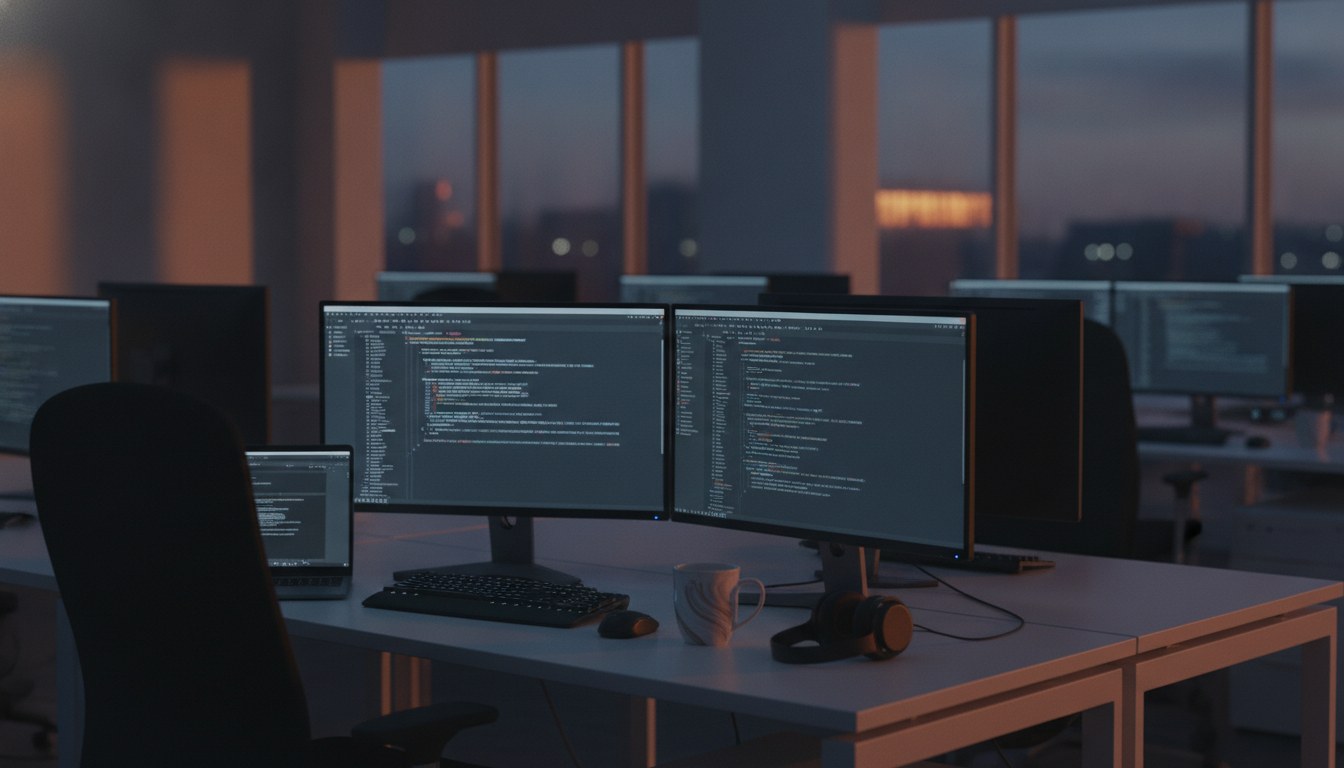
Anthropic's head of engineering has acknowledged that Claude Code, the company's AI-powered coding assistant, created what employees described as a "lonely experience" in their day-to-day work. The admission, which surfaced in coverage by Yahoo Finance, is notable coming from inside one of the AI industry's most prominent labs and puts a human face on a debate that has largely been framed in terms of productivity metrics and automation potential.
When AI Tools Reshape How Teams Work Together
The core concern is familiar to anyone who has watched AI coding assistants spread through engineering teams over the past two years. When a developer delegates large chunks of work to an AI agent, the natural back-and-forth with colleagues shrinks. Code reviews change character. Pair programming becomes less common. The ambient social texture of building software together starts to thin out. At Anthropic, it appears this dynamic was felt acutely enough that senior leadership felt compelled to name it publicly. Claude Code's effect on employee experience at Anthropic had become significant enough to warrant direct acknowledgment rather than quiet internal adjustment.
Key Facts
- Anthropic's engineering head described Claude Code's internal impact as creating a "lonely experience" for staff.
- The comments were reported by Yahoo Finance and signal candid self-reflection from within the company.
- The issue mirrors a broader concern across Big Tech about how AI coding tools affect team cohesion and morale.
- Anthropic has been expanding Claude Code's autonomous capabilities, including features that allow agents to work unattended.
- The disclosure comes as the wider industry debates the human cost of rapid AI-driven workflow changes.
It is worth pausing on what makes this disclosure unusual. Most technology companies, when discussing their own AI tools, lean heavily on efficiency gains and developer satisfaction scores. Admitting that a flagship product made internal work feel socially diminished is a different kind of message. It suggests that at least some leaders at Anthropic are grappling openly with the trade-offs that come with aggressive AI adoption, even inside their own walls.
"It became a lonely experience" — Anthropic's head of engineering, describing the internal impact of Claude Code on employee workflows.Yahoo Finance

A Broader Signal for the Industry
The timing matters. Anthropic has been pushing Claude Code's capabilities aggressively in recent months. The tool now supports autonomous operation over extended sessions, and there has been speculation about more powerful underlying models arriving in the product soon. Claude Code's /goal command allows agents to work unattended for hours, which is exactly the kind of capability that compounds the isolation effect the engineering head described. The more an AI agent can do independently, the less a human engineer needs to reach out to a teammate.
Across Big Tech more broadly, the morale question is starting to get serious attention. Engineering teams at multiple large companies have reported that AI coding tools, while genuinely useful, have quietly eroded the informal knowledge-sharing and mentorship pipelines that junior developers rely on. When a senior engineer delegates a task to an AI rather than working through it with a colleague, something is lost even if the output arrives faster. The Anthropic admission, coming from a company that builds these tools for a living, gives the concern a new weight.
None of this means AI coding assistants are going away, or that the productivity gains are illusory. But it does suggest that the companies deploying these tools most aggressively, including those building them, are beginning to reckon with the social and cultural costs that do not show up in a lines-of-code-per-day dashboard. Anthropic researchers have previously flagged the need for oversight perspectives from outside Big Tech, and the engineering head's comments suggest that internal critique is alive inside the company as well.
For developers watching this space, the episode is a useful reminder that the conversation about AI tools in the workplace is not purely technical. How teams feel, how knowledge moves between people, and how engineers grow in their craft are all shaped by the tools they use. Anthropic, to its credit, appears to be saying that out loud rather than letting the data speak in silence.


