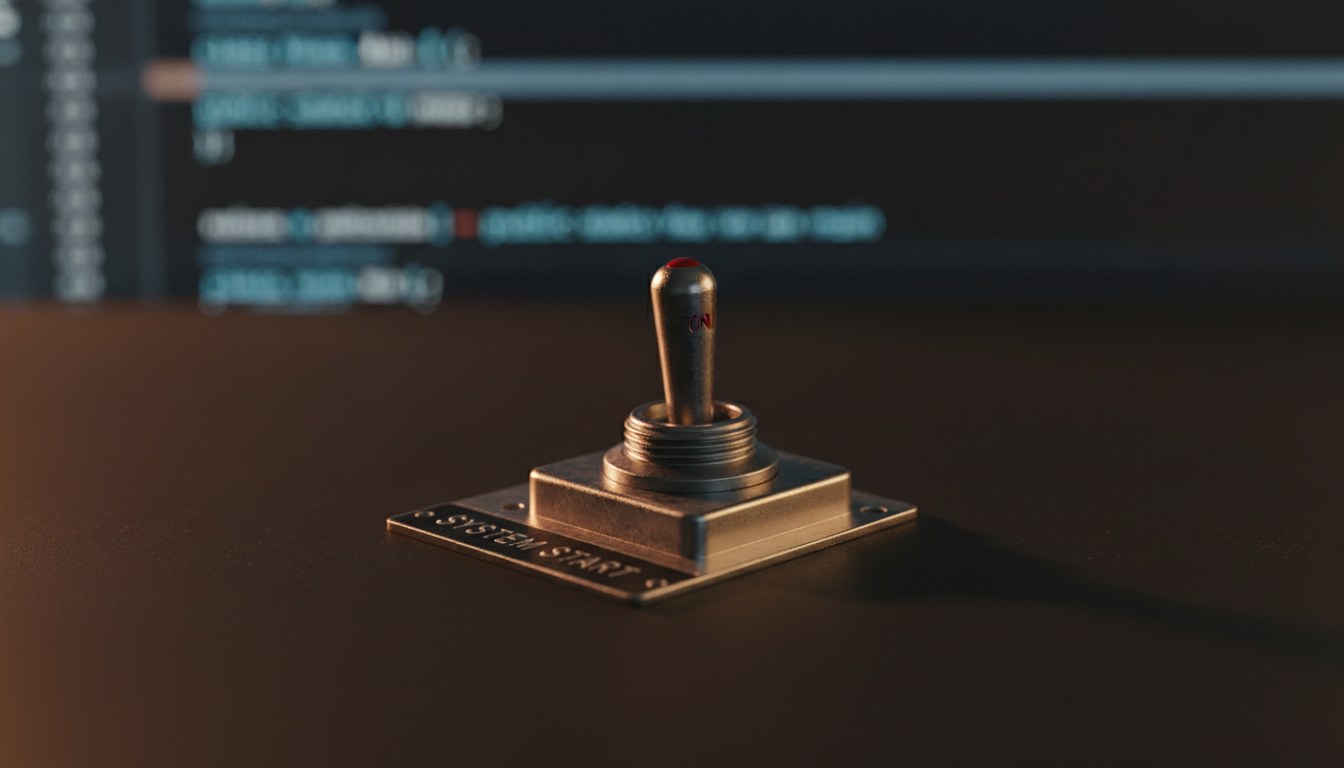
Anthropic has confirmed that Claude Code will begin enabling auto mode as its default configuration starting next week, the company told 9to5Mac. The shift marks a notable change in how the AI-powered coding assistant approaches task execution, moving from a more manual, step-by-step confirmation model toward greater autonomy out of the box.
What Auto Mode Actually Does
Auto mode allows Claude Code to execute a broader range of actions without pausing to request user approval at each step. In practice, this means the tool can run shell commands, edit files, and chain together multi-step operations with less friction. Previously, users had to manually configure this behavior or opt in after installation. With the upcoming change, new sessions will launch in auto mode unless the user actively adjusts their settings. This is consistent with Claude Code v2.1.152 shipping auto mode to all users alongside new skill controls and message hooks, suggesting Anthropic has been building toward this default gradually.
Key Facts
- Auto mode will become the default for Claude Code starting next week
- The change applies to new sessions; users can revert to manual mode via settings
- Auto mode enables multi-step task execution without per-action confirmations
- Anthropic confirmed the timeline directly to 9to5Mac
- Existing skill controls and permission scopes remain in place as guardrails
The decision to flip the default is partly a response to developer feedback. Many users found the repeated confirmation prompts disruptive to workflow, particularly in longer coding sessions where Claude Code might need to run dozens of small operations. Reducing that friction is a straightforward quality-of-life improvement, though it does raise the question of how much autonomous control feels comfortable when the tool has broad file system and terminal access.
Auto mode gives developers the speed they asked for, but it also shifts more responsibility onto the user to understand what the agent is doing at any given moment.Developer community feedback cited by 9to5Mac

Security and Trust Considerations
Defaulting to higher autonomy is not without risk. Fake Anthropic sites have already been used to target Claude Code users with infostealers, and a more permissive default mode could increase exposure if users are running compromised environments or working with untrusted codebases. Anthropic's existing permission scoping and skill controls are designed to limit blast radius, but security researchers have pointed out that auto mode in particular warrants careful attention to what directories and commands the agent can access.
Competition in the AI coding assistant space is also clearly a factor here. Google's Antigravity 2.0 has been positioning itself against Claude Code's developer market share, and a smoother out-of-the-box experience is one way Anthropic can retain developer loyalty. Reducing setup friction for new users while keeping advanced controls available for power users is a reasonable middle ground, provided the defaults are communicated clearly during onboarding.
Users who prefer the previous behavior can disable auto mode through Claude Code's settings panel. Anthropic has indicated that existing permission configurations will carry over, meaning developers who have already defined specific skill scopes or restricted command access should not see their setups overridden by the change. The rollout is expected to begin next week across all supported platforms.


