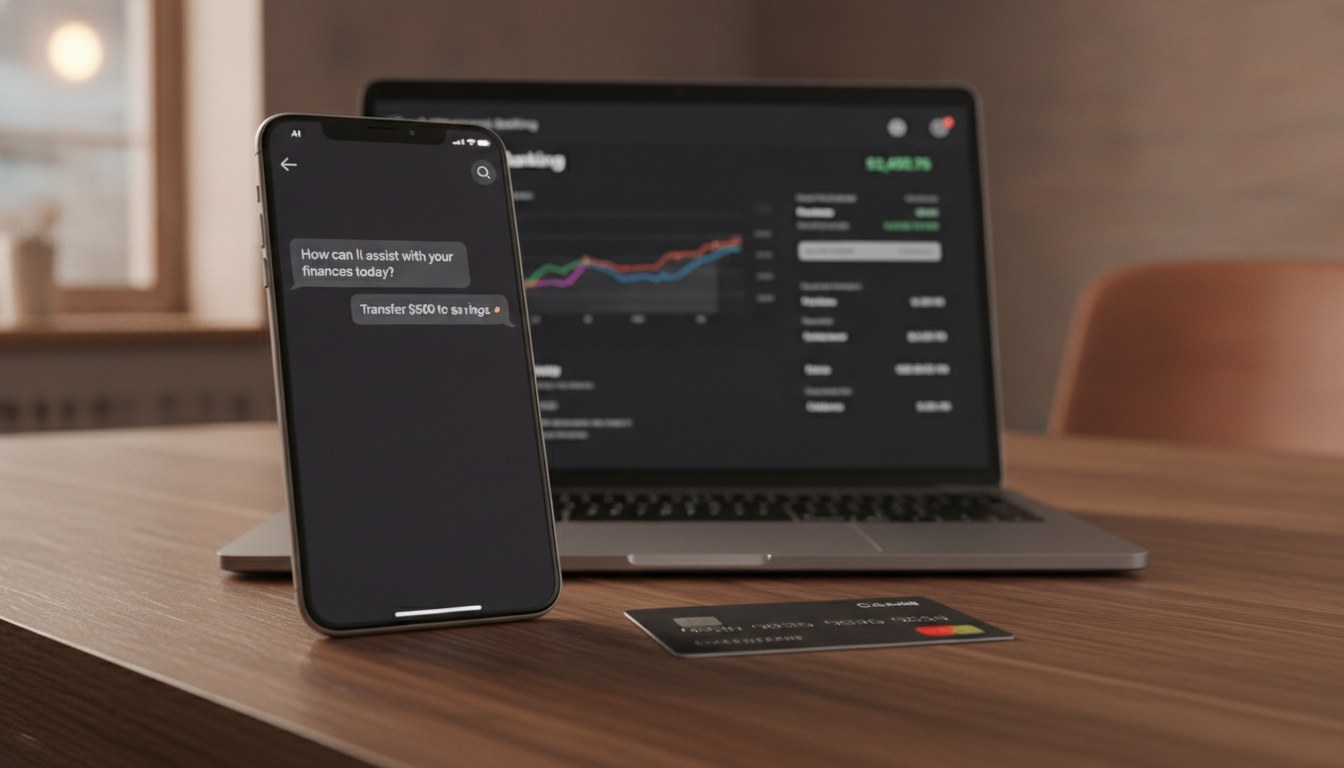
Anthropic is developing a feature for Claude that would allow the AI assistant to access and interact with users' financial accounts, according to a report from TechRepublic. The capability, still in development, would enable Claude to execute transactions, check balances, and potentially manage payments autonomously, pushing the boundaries of what consumer AI assistants can do in the real world.
The move fits a broader pattern at Anthropic of expanding Claude beyond a conversational tool into a full-blown autonomous agent. The company has been investing heavily in agentic capabilities, where Claude can take actions in the world rather than simply generating text responses. Financial access would represent one of the most consequential extensions of that vision yet.
What the Feature Could Look Like
Details remain limited, but the general concept involves Claude connecting to banking or payment platforms through secure APIs, then acting on user instructions to move money, pay bills, or track spending. Think of it as giving your AI assistant a debit card, with the expectation that it only spends what you tell it to. The appeal is obvious: users could ask Claude to split a restaurant bill, schedule a rent payment, or flag an unusual charge without manually logging into a separate app.
Key Facts
- Anthropic is developing a Claude feature with potential direct financial account access
- The capability would allow Claude to execute transactions on behalf of users
- The feature is part of Anthropic's broader push into agentic AI
- Security protocols and user consent mechanisms are expected to be central to the design
- No public release date has been announced
Security is the obvious concern. Giving any software direct access to a bank account introduces risk, and AI systems are not immune to manipulation, errors, or exploitation. Researchers and consumer advocates have raised questions about what happens when an AI agent misunderstands an instruction, or when a bad actor finds a way to hijack the session. Those concerns are not hypothetical. A recent case involving a Claude account hit with fraudulent charges illustrates how quickly financial exposure can escalate when AI platforms are involved.
"Agentic AI that can act in the world, including in financial contexts, requires an extremely high bar for reliability and safety. We think carefully about how to build these systems responsibly."Anthropic spokesperson, via TechRepublic

Agentic AI Is Anthropic's Biggest Bet Right Now
Financial access is just one piece of a much larger strategic push. Anthropic has been steadily building out the infrastructure needed for Claude to operate as a long-running agent capable of handling complex, multi-step tasks across different services. Mobile testing of the Claude Cowork feature is one recent example of how the company is extending Claude's reach into collaborative, real-world workflows.
The stakes are high commercially as well. Agentic features that deliver tangible, time-saving value could drive subscription growth and enterprise adoption in ways that pure chat functionality cannot. That matters at a time when questions about AI sticker shock and Anthropic's growth trajectory remain live issues for investors and analysts watching the company's path to profitability.
There is also a trust dimension that goes beyond any single feature. Anthropic has publicly positioned itself as a safety-focused lab, and allowing Claude to touch users' money will test that reputation in a concrete way. Any incident involving unauthorized or mistaken financial activity would draw scrutiny far beyond the typical AI chatbot complaint. The company will need to make its consent flows, authorization limits, and error-handling mechanisms watertight before any broad rollout.
For now, the feature remains in development with no confirmed launch timeline. But the direction is clear. Claude is being built to do things in the world, not just talk about them, and financial transactions are one of the most consequential arenas in which that vision could play out. How Anthropic handles the security and consent architecture around this capability will say a great deal about whether the broader agentic AI wave earns public trust or triggers a backlash.


