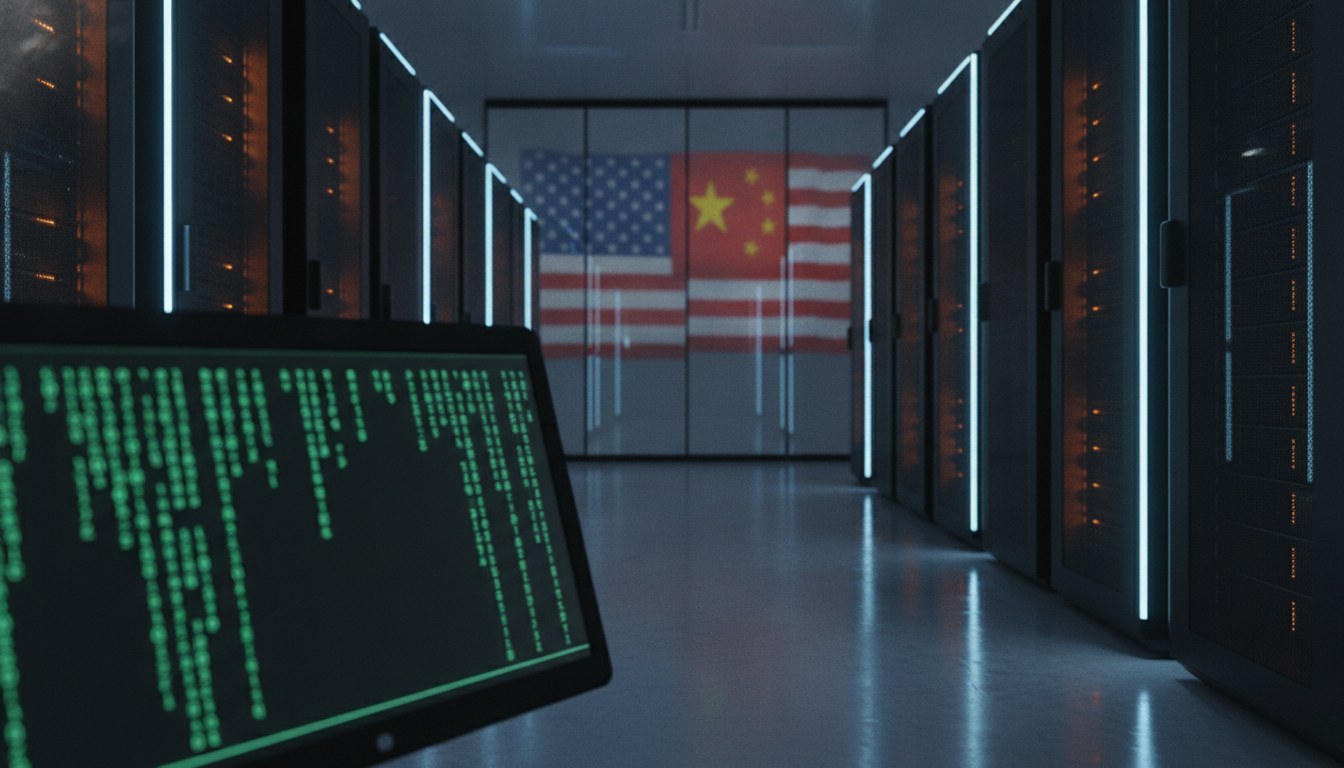
Chinese cybersecurity authorities have issued a formal warning about Anthropic's Claude Code, the AI-powered coding assistant, claiming the tool harbors a "security backdoor" that could expose users to data risks. The alert, reported by CBS News, adds fresh tension to the already strained technology relationship between the United States and China, and puts one of Silicon Valley's most closely watched AI companies under new scrutiny.
What China Is Alleging
The warning centers on claims that Claude Code, which assists developers by writing, reviewing, and debugging code, contains functionality that could allow unauthorized access to user systems or data. Chinese authorities did not release detailed technical documentation to support the claim publicly, but the alert has been circulated through official channels and is being taken seriously by organizations operating in China. China has separately claimed to have found security vulnerabilities in Claude Code, suggesting this is part of a broader pattern of scrutiny directed at the tool.
Key Facts
- China's cybersecurity authorities issued an alert naming Anthropic's Claude Code as a security risk.
- The warning alleges a "backdoor" exists within the coding assistant.
- No detailed public technical evidence has been released by Chinese authorities.
- The alert follows similar warnings and restrictions on Claude Code across Chinese tech companies.
- Anthropic has not, as of publication, issued a formal public response to the allegations.
The timing is notable. Anthropic has been expanding its developer-focused products aggressively, and Claude Code has gained traction among software engineers globally since its release. Any credible security concern, even one originating from a geopolitical rival, carries weight in enterprise procurement decisions and could affect adoption in markets beyond China.
"We are aware of the reports and take security concerns seriously. We will review any specific technical claims that are shared with us."Anthropic spokesperson (via CBS News)

A Pattern of Pressure on Western AI Tools
This warning does not exist in isolation. Alibaba has moved to ban Claude Code internally over concerns about hidden China-detection behavior, a separate but related controversy that has fueled distrust of the tool within China's technology sector. Together, these actions suggest a coordinated effort to limit the reach of Western AI coding tools inside the country, whether driven by genuine security concerns or competitive and political motivations.
Western security researchers have also weighed in on risks associated with AI coding assistants more broadly. Microsoft has warned that Claude's coding tool can inadvertently leak sensitive information, a finding that, while distinct from China's backdoor claim, contributes to a growing conversation about the security posture of AI development tools in general. These concerns span borders and do not neatly align with any single nation's interests.
For Anthropic, the challenge now is reputational as much as technical. The company has positioned safety and reliability as core values, and the Claude model family has been marketed partly on the strength of those commitments. Allegations of a deliberate backdoor cut directly against that messaging, regardless of whether they are ultimately substantiated.
Analysts watching the AI industry note that accusations of this kind are increasingly common tools in technology diplomacy. China has faced similar allegations from Western governments regarding products made by Huawei, TikTok, and others. The mirroring of these accusations against American AI firms may reflect an escalating tit-for-tat dynamic rather than specific, verified technical findings.
What remains clear is that AI coding assistants have become serious infrastructure for software development worldwide, and their security properties are no longer a niche concern. Whether China's warning prompts independent technical audits or simply becomes background noise in an ongoing trade dispute, the episode underlines that trust in AI tools is now a geopolitical variable as much as a product feature.