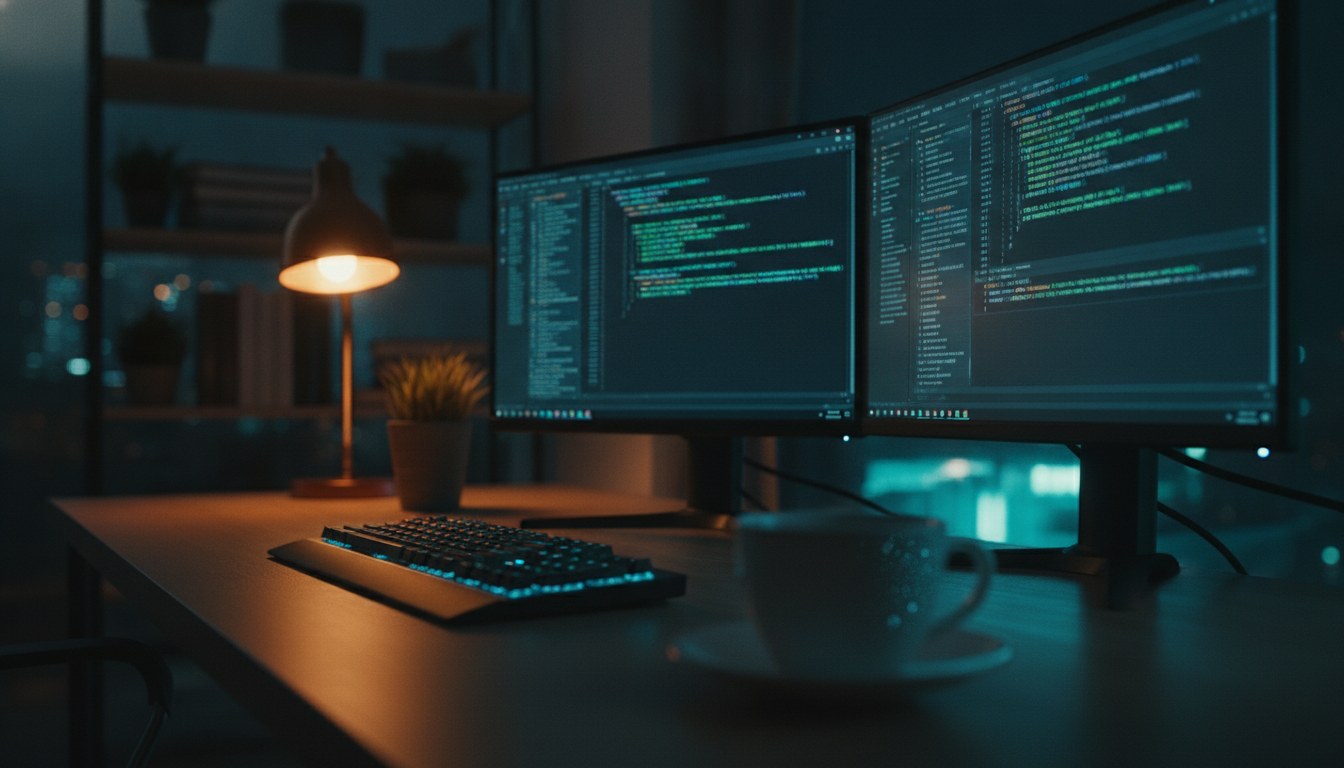
Inside Anthropic, AI-assisted coding is no longer an experiment. According to the company's top engineer, her team has pushed the practice far enough that the line between human-written and AI-generated code has become genuinely blurry. In a candid conversation covered by Business Insider, she described a workflow where Claude handles substantial portions of implementation work, not just suggestions or snippets.
Deeper Than Autocomplete
The picture she painted is one of iterative, back-and-forth collaboration between engineers and the model. Tasks that once took hours of human attention, writing boilerplate, drafting tests, reviewing pull requests, are now being handled or accelerated by Claude in ways that compound over a full working day. This tracks with what Anthropic's 2026 coding report identified as the skill that matters most: not prompting, but context engineering, the ability to give a model exactly what it needs to do useful work.
Key Facts
- Anthropic engineers use Claude throughout the software development lifecycle, from drafting to review.
- The team's top engineer described AI involvement as going well beyond simple code suggestions.
- Internal adoption reflects Anthropic's broader push to use its own tools in production environments.
- The approach mirrors practices increasingly common at AI-native companies across the industry.
What makes Anthropic's case distinctive is that the company is building the very model its engineers rely on. That creates a feedback loop. Engineers who hit limitations in Claude's coding behavior are, in many cases, the same people positioned to address those limitations in the next training cycle. It is a tighter loop than most software companies can claim, and it appears to be accelerating internal adoption significantly.
"We've gone further than most people would expect."Anthropic's top engineer, via Business Insider
What This Means for Engineering Teams
The broader implication is that AI coding tools, at least at companies building them, have moved from productivity boosters to core infrastructure. That shift carries real consequences for how engineering teams are structured and what skills they prioritize. Other Anthropic executives have also spoken openly about using AI to manage day-to-day team operations, suggesting this is a company-wide posture rather than an isolated engineering choice.
For companies outside the AI industry watching this space, the gap between internal Anthropic practice and typical enterprise adoption remains wide. Closing that gap is part of what drives Anthropic's $100 million commitment to training the next generation of AI engineers. The theory is straightforward: if the bottleneck is human fluency with these tools, investing in that fluency is the fastest way to move the needle across the broader economy.
None of this means every software job is immediately at risk, or that AI coding tools work perfectly in every context. Engineers at Anthropic still review, redirect, and make judgment calls that the model cannot. But the threshold for what tasks get handed off has clearly shifted, and the engineer's comments suggest it will keep shifting as models improve and teams develop better habits around context and prompting.
The conversation also raises questions about how other organizations should interpret these signals. If a company with direct access to the model and its developers has gone this far, the ceiling for external teams may be higher than most current deployments suggest. Watching how Anthropic uses its own technology internally may be one of the more reliable leading indicators available.