Thariq Shihipar, a researcher at Anthropic, has publicly recommended that Claude users take advantage of the Artifacts feature, according to coverage from Search Engine Journal. The endorsement adds an internal voice to what has been a growing conversation around how users can get more structured, usable output from their Claude sessions. Shihipar's guidance is practical rather than promotional, framing Artifacts as a tool that changes how Claude delivers content rather than simply what it delivers.
What Artifacts Actually Does
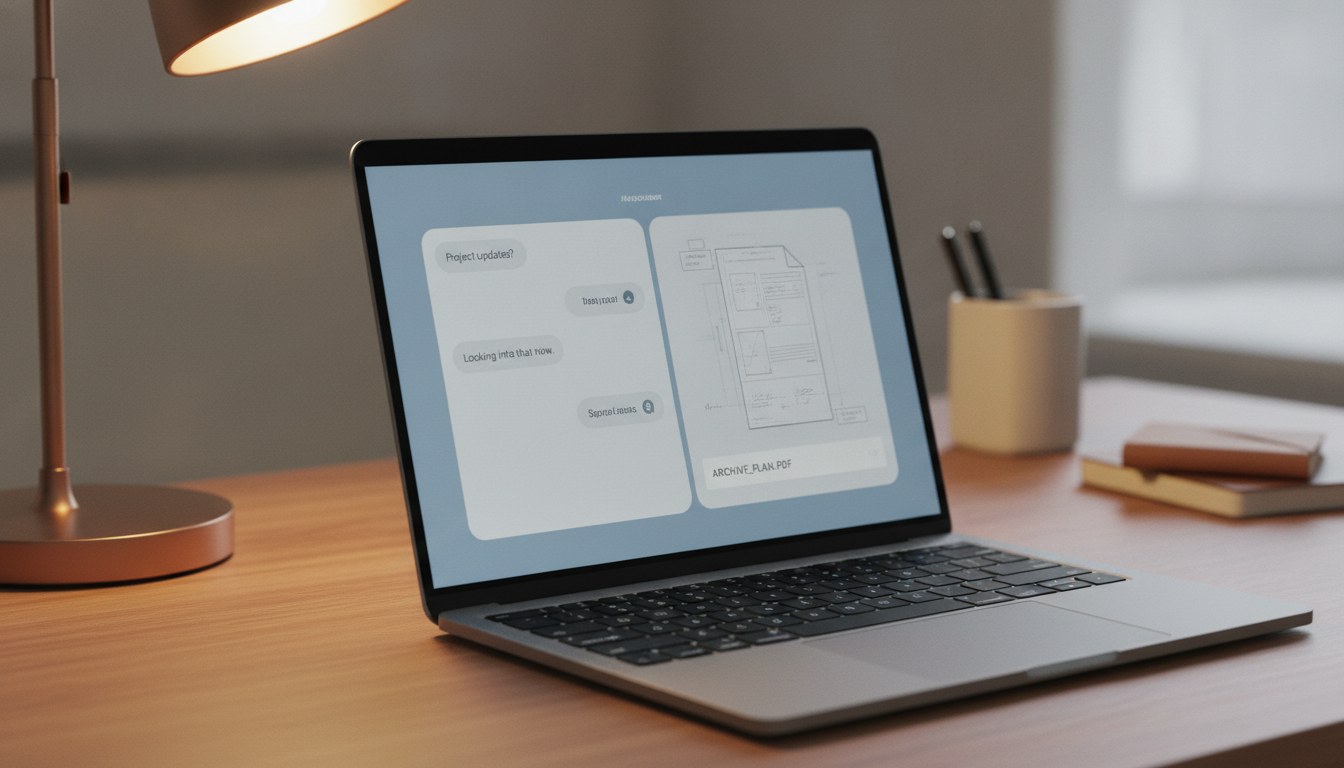
Claude's Artifacts feature lets the model generate self-contained pieces of content, including code, documents, and interactive components, in a dedicated panel separate from the main chat thread. Rather than receiving a wall of text mixed with explanations, users get a clean, editable output they can work with directly. For anyone building web content, writing structured reports, or iterating on code, the distinction matters. The feature has been available for some time, but it has not always been the default choice for users unfamiliar with prompting strategies that trigger it effectively.
Key Facts
- Thariq Shihipar is a researcher at Anthropic who covers developer-facing features and tooling.
- Artifacts generates standalone outputs such as code snippets, HTML pages, and formatted documents.
- The feature renders content in a side panel, keeping it separate from conversational text.
- Artifacts is available to Claude users on Claude.ai and through supported interfaces.
- Infrastructure changes to Artifacts are scheduled for mid-2026, moving execution to a virtual machine environment.
The timing of Shihipar's recommendation is notable. Claude's Artifacts, Styles, and File Search are moving to VM execution by June 15, a shift that Anthropic says will improve security and consistency. That migration signals the company is investing in Artifacts as a serious part of the product, not a minor convenience feature. Shihipar's public nudge to users may be partly intended to build familiarity before that transition arrives.
Artifacts changes the relationship between the user and the output. Instead of copying text out of a chat window, you have something you can act on immediately.Thariq Shihipar, Anthropic (via Search Engine Journal)

Why the Recommendation Matters
Internal advocacy for specific features is not common at AI labs, where researchers tend to stay focused on model-level work rather than user-facing guidance. Shihipar stepping into a more public role, pointing users toward a concrete workflow improvement, reflects a pattern at Anthropic of encouraging researchers to engage directly with the user community. It also suggests the company sees adoption of Artifacts as a meaningful metric, not just a feature checkbox.
For content creators, marketers, and developers who rely on Claude regularly, the advice is worth taking seriously. Artifacts outputs can be copied, shared, and embedded more cleanly than raw chat responses. Users working on SEO content, technical documentation, or interactive web elements in particular stand to benefit from a more deliberate approach to triggering and using the feature. Those looking to stay current on how Claude's capabilities are evolving can follow the latest Claude AI news as the VM migration deadline approaches and further product changes are announced.
Shihipar's recommendation may also reflect a broader push to ensure that casual users understand the full range of what Claude's model family can do. Many users interact with Claude through simple back-and-forth conversation and never engage with features like Artifacts, custom styles, or file search. Closing that gap between power users and everyday users appears to be a priority for the team heading into the second half of 2025.


