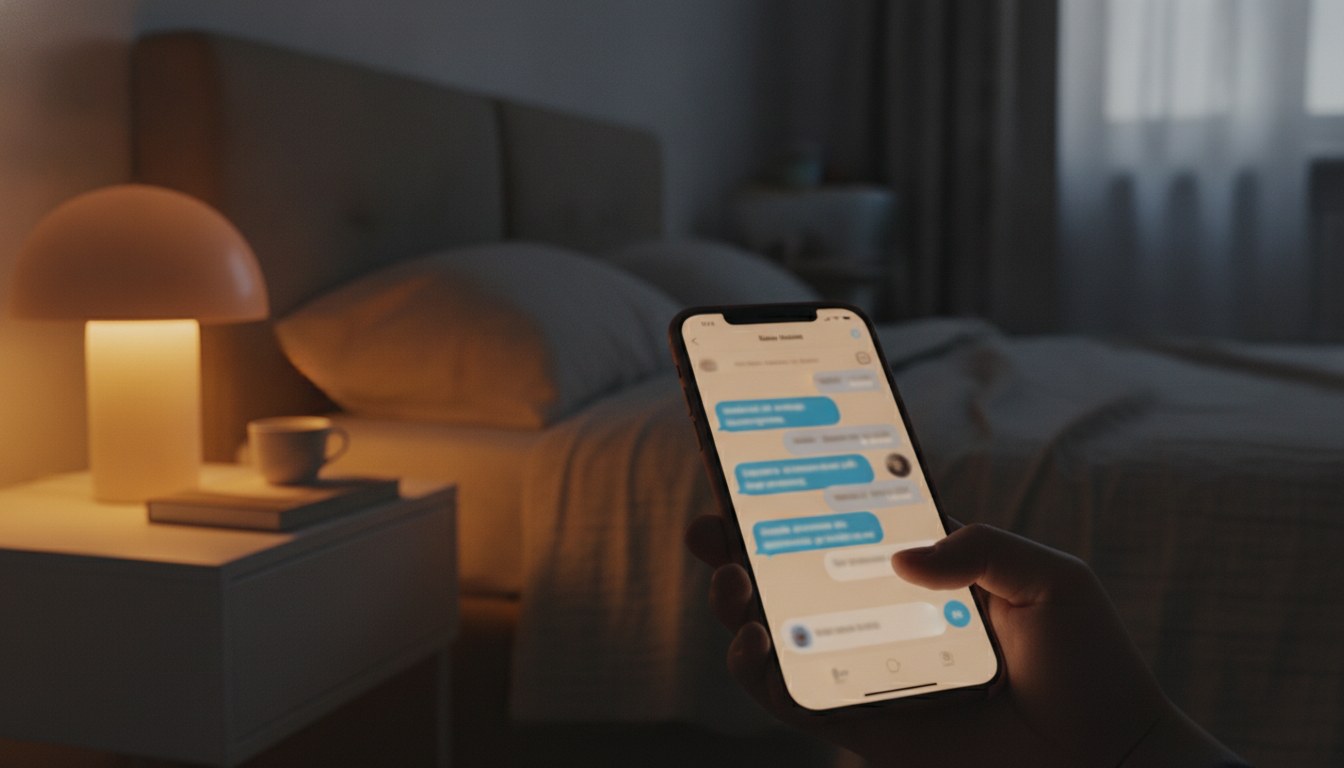
Anthropic's president has a clear message for people using AI chatbots as a substitute for professional mental health care: stop. The executive recently called this one of the worst ways people are currently deploying AI tools, pointing to serious concerns about dependency and the limits of what a language model can safely provide. The warning, however, does not appear to be landing. New survey data suggests that close to 30% of American adults have turned to AI for emotional support or mental health guidance at least once.
A Growing Disconnect Between Advice and Behavior
The gap between what AI developers recommend and what users actually do has become increasingly visible. People are leaning on chatbots to process grief, anxiety, relationship problems, and depression, often because professional therapy is expensive, inaccessible, or carries a social stigma. Anthropic has long positioned itself as a safety-focused lab, and this latest public statement fits a pattern of the company trying to steer public behavior even after its products have shipped. The concern is not hypothetical. Mental health professionals have flagged risks including over-reliance, delayed treatment, and the potential for AI to affirm unhealthy thought patterns rather than challenge them.
Key Facts
- Nearly 30% of U.S. adults report using AI tools for mental health or emotional support purposes.
- Anthropic's president described this as "a terrible use of AI" in recent public comments.
- AI chatbots are not licensed therapists and cannot diagnose or treat mental health conditions.
- Cost and access remain major barriers to professional mental health care in the U.S.
- No federal regulatory framework currently governs AI used in mental health contexts.
The numbers are striking given how forcefully Anthropic has tried to shape the conversation. The company has invested heavily in safety research and responsible deployment guidelines, and its Claude's model family includes built-in guardrails intended to discourage misuse in sensitive areas including mental health. Those guardrails can encourage users to seek professional help, but they cannot stop someone determined to use the tool as a sounding board for their emotional struggles night after night.
"This is a terrible use of AI. People are forming parasocial relationships with these systems in ways that could genuinely harm them."Anthropic President, as reported by Yahoo Tech

Why People Keep Doing It Anyway
The appeal is not hard to understand. AI chatbots are available at 3 a.m., they do not judge, they do not charge by the hour, and they respond with patience that no human can always sustain. For people in rural areas, those without insurance, or those who simply feel too embarrassed to talk to another person, an AI can feel like the only available outlet. This behavioral trend is part of a broader pattern of AI tools being adopted in ways their creators did not intend or explicitly warned against. Anthropic has also been working on more constructive AI applications in sensitive fields, including targeting the pharmaceutical and life sciences sector with specialized research tools, but consumer mental health use has evolved largely outside that structured framework.
Regulators have yet to catch up. There is no federal standard in the United States governing what an AI system can or cannot say to someone disclosing suicidal ideation or severe depression. Individual companies set their own policies. That leaves a wide range of AI products, many less safety-conscious than Claude, operating freely in one of the most sensitive domains imaginable. Anthropic's public pushback may be genuine, but without regulatory backing, it remains advisory at best. For the latest Claude AI news and updates on how Anthropic is navigating these challenges, the situation is worth watching closely as both usage and scrutiny continue to grow.
What comes next is unclear. Mental health advocates are calling for clearer labeling, mandatory referral protocols, and independent audits of how AI systems handle crisis conversations. Whether Anthropic's public stance translates into harder product restrictions, or whether that is even the right approach, remains an open question. What is certain is that millions of people are already using these tools in ways the company's own leadership considers dangerous, and that gap shows no sign of closing on its own.


