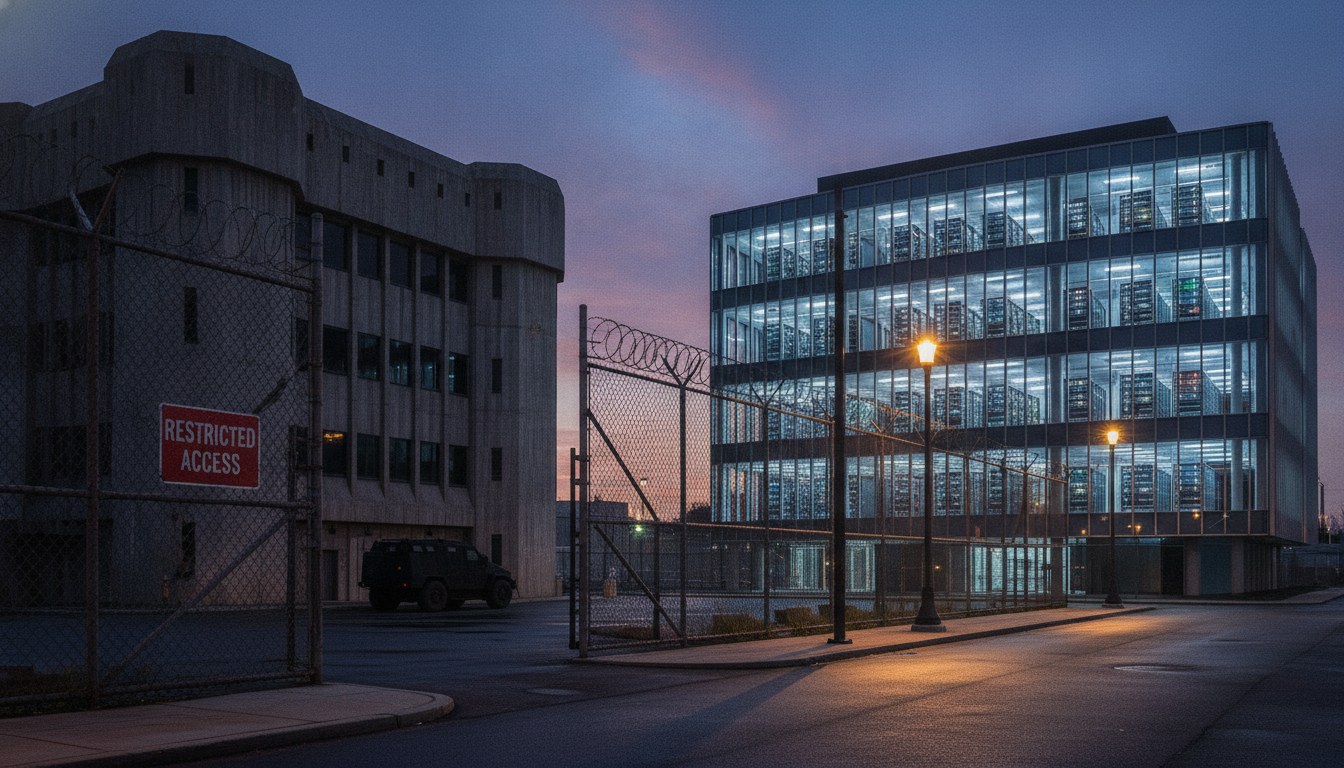
Anthropic is simultaneously locked out of Defense Department contracts and actively deployed inside one of the most secretive intelligence agencies in the United States. The NSA has been using Claude, Anthropic's flagship AI model, for cybersecurity work, even as the Pentagon has placed the company on a blacklist that bars it from standard DoD procurement channels. The contradiction is difficult to square, and it is drawing scrutiny from policy watchers, legal experts, and industry observers alike.
Two Agencies, Two Opposite Conclusions
The gap between the Pentagon's posture and the NSA's behavior reflects just how fragmented federal AI governance remains. The Defense Department's blacklist stems from an ongoing legal dispute in which a federal judge called the Pentagon's action a 'spectacular overreach', suggesting the government's case against Anthropic may rest on shaky ground. Meanwhile, the NSA has moved in the opposite direction, integrating Claude into vulnerability research workflows under its Mythos program. The NSA's use of Claude Mythos to hunt software vulnerabilities continues even as the broader interagency picture remains unresolved.
Key Facts
- The Pentagon has placed Anthropic on a procurement blacklist, blocking standard DoD contracts.
- The NSA is actively using Claude through its Mythos cybersecurity program.
- A federal judge has already questioned the legal basis of the Pentagon's blacklist.
- The contradiction exposes a lack of coordinated AI policy across U.S. federal agencies.
- Anthropic has pushed back publicly against government demands it considers out of bounds.
The tension is not purely bureaucratic. It reflects a genuine philosophical disagreement about what AI companies owe the national security apparatus. Anthropic has been vocal about where it draws lines on government use of its technology, particularly around autonomous weapons and unconstrained military applications. That stance has put it at odds with certain defense officials while apparently sitting well enough with signals intelligence professionals who care more about code analysis than weapons integration.
"The idea that one part of the government is suing us while another is relying on our tools daily is a strange situation, but it is the reality we are operating in."Anthropic spokesperson, paraphrased from public statements

What This Means for AI and Federal Procurement
This episode points to a structural problem in how the U.S. government buys and governs AI. Different agencies set their own standards, reach their own legal interpretations, and sign their own agreements, sometimes without apparent coordination with peers. Anthropic is not the first tech company to find itself welcomed by one agency and frozen out by another, but the sharpness of this contrast, blacklisted and contracted at the same time, is unusual even by Washington standards.
The Amodei siblings, who co-founded Anthropic, have spoken publicly about their reluctance to accept government conditions that conflict with the company's safety principles. Dario and Daniela Amodei have explained why they were willing to walk away from Pentagon demands, framing the dispute as one about fundamental values rather than contract terms. That public positioning may have made the company a harder sell inside the DoD while doing little to deter intelligence community buyers with narrower, more technical needs.
For now, the situation leaves Anthropic in an odd legal and commercial limbo. Its models are running inside U.S. government infrastructure even as courtroom arguments continue over whether the company should be allowed to bid on defense work at all. How that contradiction resolves, through litigation, legislation, or quiet interagency negotiation, will likely shape how the next generation of AI companies approach federal partnerships. The outcome matters for the broader industry, not just for one company caught between competing arms of its own government.


