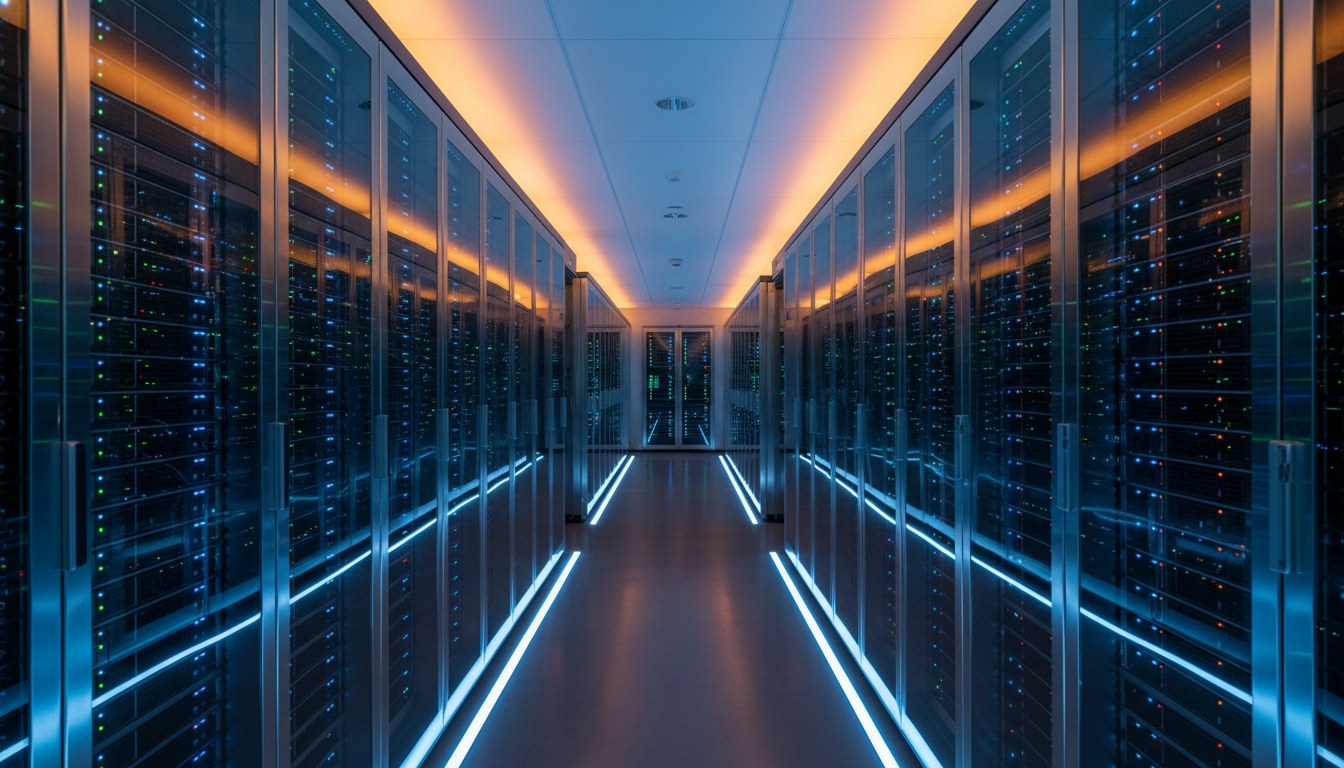
Anthropic is in active discussions with Microsoft to use the tech giant's proprietary Maia 200 AI accelerator chips, according to a report from QZ. The talks highlight a growing trend among AI labs to look beyond the dominant Nvidia ecosystem for training and inference compute, as demand for AI hardware continues to outpace supply across the industry.
What the Maia 200 Brings to the Table
Microsoft's Maia 200 is a custom silicon chip designed specifically for AI workloads, developed in-house as part of the company's Azure infrastructure strategy. Unlike general-purpose GPUs, the Maia 200 is built to handle the intensive matrix operations that power large language models. Microsoft has already been testing the chip internally to support its own AI services, including those tied to its OpenAI partnership. Bringing Anthropic into the fold would mark a significant external deployment of the technology.
Key Facts
- Anthropic is reportedly in talks to use Microsoft's Maia 200 custom AI chips
- The Maia 200 is Microsoft's in-house accelerator chip designed for large-scale AI workloads
- The discussions suggest Anthropic is actively working to diversify its hardware supply chain
- Anthropic currently relies heavily on chips from Nvidia and Google's TPU infrastructure
- Microsoft has separately invested heavily in OpenAI, making this a notable cross-ecosystem development
For Anthropic, securing access to additional chip supply is a practical priority. The company has been scaling up its models aggressively, with Claude 4 Opus representing one of its most compute-intensive releases to date. Training frontier models at that scale requires enormous and reliable chip access, and any single-source dependency carries real operational risk. Talks with Microsoft would, if successful, give Anthropic another lane for compute procurement.
Custom silicon from cloud providers like Microsoft is becoming a credible alternative to Nvidia for AI inference workloads, especially as labs look to manage costs and supply risk.Industry analyst commentary via QZ

A Shifting Hardware Landscape for AI Labs
The broader context here matters. The AI chip market has been defined for years by Nvidia's H100 and A100 GPUs, but major cloud providers have been investing heavily in custom silicon to reduce dependency and cost. Google has its TPU line, Amazon has Trainium, and now Microsoft is pushing the Maia 200 into the market. AI labs that partner with these cloud providers gain access to chips that are often unavailable on the open market.
Anthropic's relationship with cloud infrastructure is already layered. The company has a significant agreement with Amazon Web Services, which contributed to its Series F funding round and includes compute commitments. Google has also been a major investor and compute partner. Adding Microsoft's Maia 200 to that mix would give Anthropic a more distributed hardware strategy, spreading risk and potentially improving negotiating leverage across providers.
It is worth noting that these are still talks, not a finalized agreement. The specifics of how Maia 200 chips would be used, whether for training, inference, or both, have not been disclosed. Microsoft and Anthropic have not made public statements confirming the negotiations.
Still, the direction is clear. As the latest Claude AI news has shown repeatedly, compute access is one of the defining constraints for any frontier AI lab. Anthropic, which has built its reputation around safety-focused development and the Constitutional AI framework, needs the same raw infrastructure scale as any of its competitors to keep pace. Diversifying chip sourcing is less a strategic gamble and more a straightforward operational necessity at this stage of the industry's growth.
How far the Microsoft talks progress, and whether they result in a formal agreement, will be worth watching in the months ahead. Any deal would also raise interesting questions about the competitive dynamics between Microsoft's OpenAI relationship and a deeper technical partnership with Anthropic, two companies whose models compete directly in the enterprise market.


